
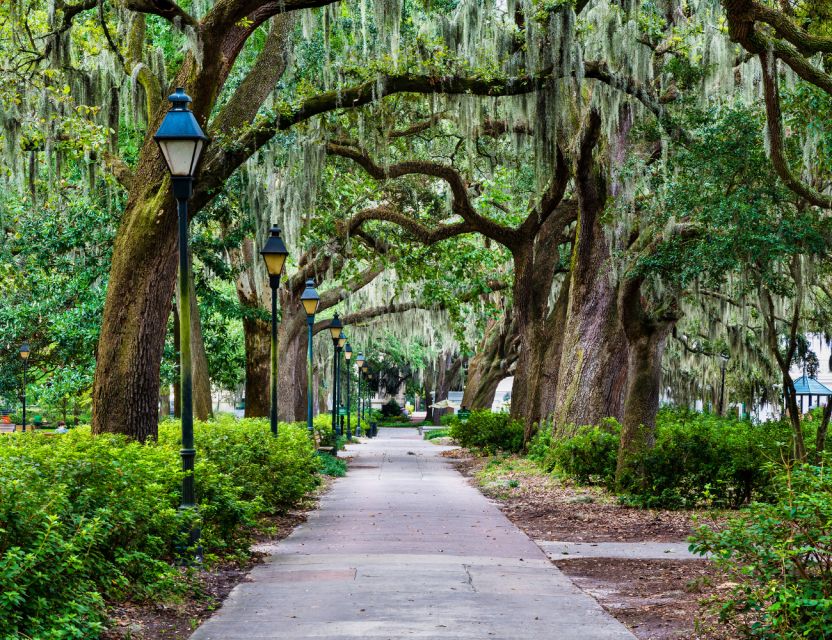
Reviewed · SAVANNAH SQUARES & HISTORIC WALKING TOURS
Savannah: ‘We Shall Overcome’ Black History Walking Tour
Savannah has a way of rewriting your mental map fast. This 2-hour walking tour brings Black history into focus as you move past key landmarks, with stops that connect culture, war, escape routes, and real people you can’t ignore. I like how the tour ties African roots to everyday Southern life, and I also love the guide style that makes each topic feel clear, not like a lecture.
One catch: it’s rain or shine and you’ll cover enough ground to count as a true walk, so wear comfy shoes and be ready to move for the full session.
In This Review
- Key things that make this tour worth your time
- Walking into Savannah’s stories at Yamacraw Square
- Early Georgia, slavery outlawed, and why that still didn’t mean freedom
- African culture’s fingerprints on food, music, and dance
- Savannah’s Underground Railroad connection, and the role of a church
- Haitian soldiers in the American Revolution, placed in Savannah’s story
- “40 acres and a mule” and the promise that didn’t hold
- Andrew Cox Marshall and the idea of a cultural shift
- Ellis Square photo stop and the joy of seeing with context
- What the guide experience feels like (and why it matters)
- Price and value for a $38, 2-hour walking tour
- Weather, walking pace, and what to bring
- Who should book this tour
- Should you book the Savannah We Shall Overcome Black History Walking Tour?
- FAQ
- How long is the tour?
- How much does it cost?
- Where is the meeting point?
- What’s included in the tour?
- Is transportation included?
- Does the tour run rain or shine?
- What should I bring or wear?
- Is video recording allowed?
Key things that make this tour worth your time
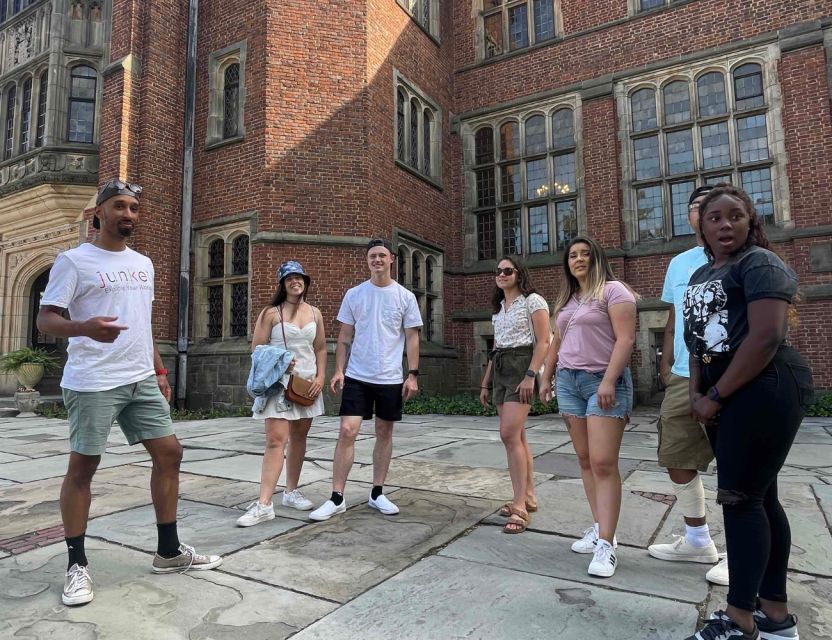
- Yamacraw Square start with easy-to-find details (next to the three bronze children statues on W Bay St)
- Underground Railroad context tied to one of Savannah’s oldest churches and secret activity there
- Revolutionary War link to Haitian soldiers, placed where you can feel the timeline
- Sherman and 40 acres and a mule explained in plain language, grounded in what promises meant for freed people
- African influence on Southern culture through food, music, and dance, not just dates and names
- Photo-friendly moments, including time for gorgeous shots at Ellis Square
Walking into Savannah’s stories at Yamacraw Square
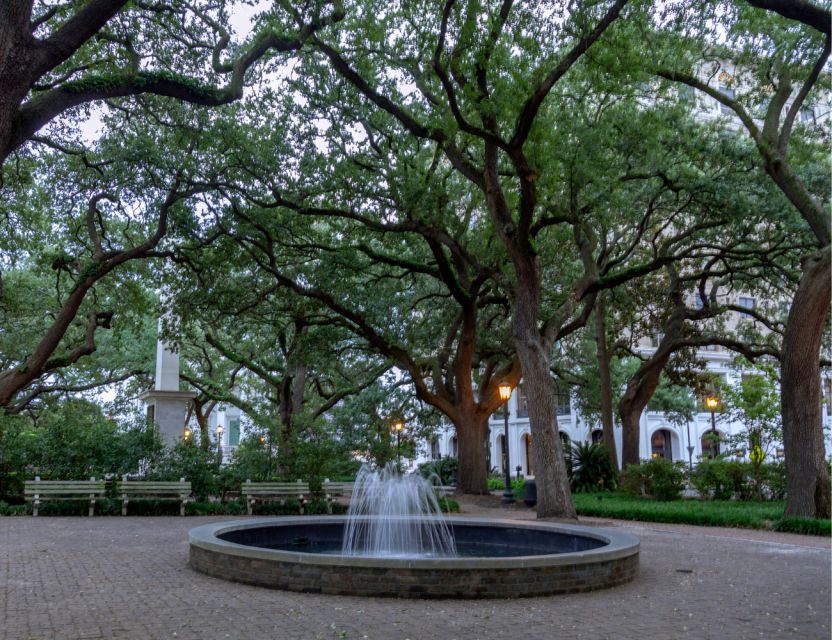
The tour starts in the center of Yamacraw Square, right at 128 W Bay St. The meeting point is practical and visual: you’ll look for the three bronze children statues, and you’ll know you’re in the right place.
From there, the walk keeps you oriented. This matters in Savannah, where the streets and squares can feel like a postcard until you’re standing in the exact spot where history happened. You’ll get the kind of guidance that helps you read buildings and corners instead of just passing them.
I also appreciated that the tour is structured to move at a steady pace for about two hours. It’s not the sort of experience where you’re stuck standing around while the guide recounts every fact at a snail’s pace. You’ll be walking most of the time, with stops that give you something to look at and something to connect to the story you’re hearing.
We have more walks through Savannah's historic squares and old district to wander



Early Georgia, slavery outlawed, and why that still didn’t mean freedom
One of the first big lessons hits early: slavery was outlawed in the early years of the Georgia colony. That line can confuse people at first, because you know what comes later in American history. The tour uses that contrast to show how law and lived reality often fought each other—and how cruel systems adapted when rules changed.
As you walk, the guide frames what “outlawed” really meant on the ground. You’ll hear about free and enslaved Black residents of Savannah and the way they built community life while being forced to endure inhumane conditions. The point isn’t just shock value. It’s context: you start to see how Savannah’s social order formed, then kept reforming.
I found this approach makes the rest of the tour land better. When you know the timeline behind the buildings, you stop treating the city like scenery and start treating it like a record.
African culture’s fingerprints on food, music, and dance
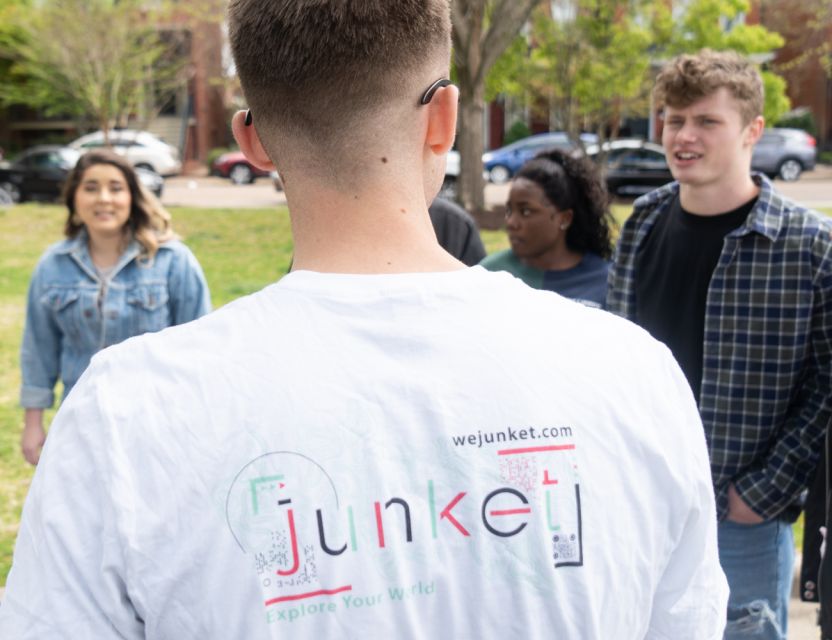
Savannah’s story isn’t only about laws and violence. It’s also about culture—how people carried themselves through hard times and still shaped what the South became.
You’ll hear how African culture influenced Southern food, music, and dance. The guide doesn’t toss that out as a generic idea. Instead, you’ll connect the cultural threads to how communities expressed identity—through rhythm, through tradition, and through tastes that survived and evolved.
This part of the tour is one of the best values for me because it gives you something tangible to remember after you leave. A history tour can turn into a list of names you forget by lunchtime. Here, you walk away with cultural anchors. Later, when you’re eating or listening to music in Savannah, the connection feels obvious instead of random.
Savannah’s Underground Railroad connection, and the role of a church
Another standout is the Underground Railroad angle—specifically a stop tied to one of Savannah’s oldest churches. That’s a powerful detail, because it shows how organized help could exist right inside the community’s everyday spaces.
As you learn about secret activity, the tour helps you understand that escape routes weren’t just myths or romantic stories. They were networks built by people who took serious risks, often using trusted institutions to hide movement and information.
What makes this section work is the balance between emotion and explanation. You’ll get the human stakes without losing the clarity of who did what and why it mattered. If you’re the type who likes to know what a place was actually used for, this is the moment that turns a landmark into a story you can picture.
Haitian soldiers in the American Revolution, placed in Savannah’s story
Most people associate the American Revolution with a short list of famous figures and a neat set of front lines. This tour widens the frame by highlighting Haitian soldiers who fought in the American Revolution.
You’ll hear how that connection fits into the larger Black history thread in Savannah. The practical takeaway is that America’s founding conflicts weren’t isolated from global Black histories and alliances. Standing in Savannah while hearing these links makes it feel less like an appendix and more like a missing chapter.
It’s also a good reminder that history isn’t just about where a person lived—it’s also about who they fought beside and what impact their presence had. This section adds perspective without turning the walk into a random trivia game.
There are more Gullah Geechee and Black-heritage tours to learn from in Savannah




“40 acres and a mule” and the promise that didn’t hold
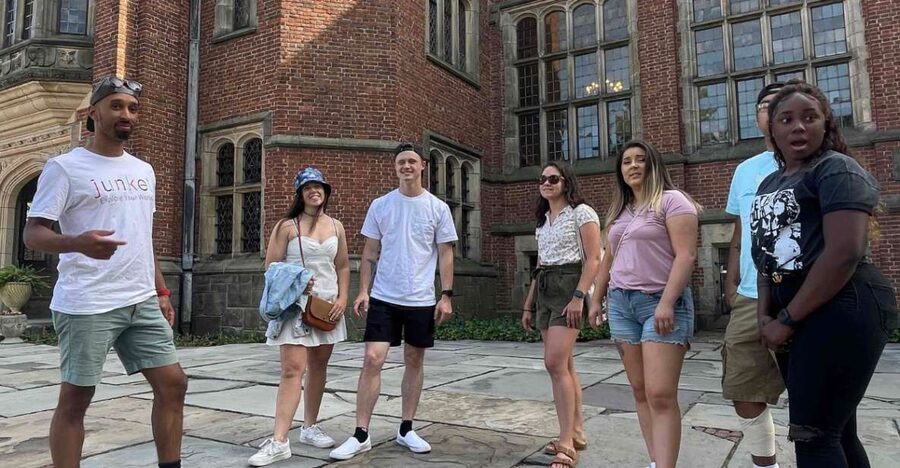
The tour takes on one of the most famous promises in American Reconstruction history: 40 acres and a mule, associated with Sherman.
The key here is how the tour approaches the subject: not just repeating the phrase, but unpacking what the promise meant for freed slaves—and why such promises often collapsed in practice. You’ll come away with a better sense of how fragile freedom could be when power structures remained intact.
This part is emotionally heavy, but the guide keeps it understandable. I like when a tour treats major topics with care and doesn’t rush past the consequences. You’re walking past Savannah’s squares and streets while the story brings you back to the human cost behind the political language.
Andrew Cox Marshall and the idea of a cultural shift
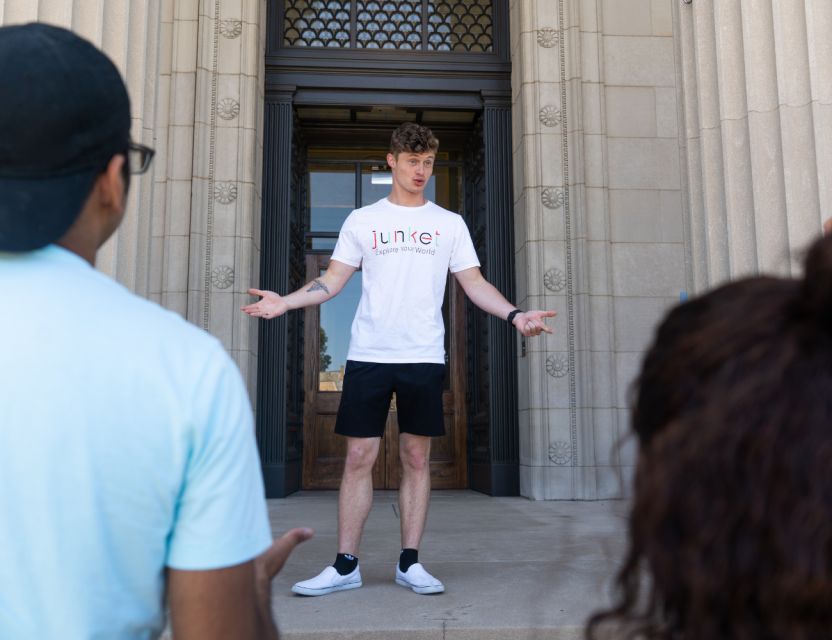
One of the more thought-provoking segments features Black community leaders such as Andrew Cox Marshall. The tour frames his role as an inspiration for a shift in the cultural worldview of people of color—an idea that goes beyond one person’s life and points toward broader change.
That’s valuable because it avoids a common trap: telling history only as suffering, then moving on. Here, you get leadership, influence, and the way communities pushed for a different way of seeing themselves and the world around them.
I also found it helpful that this isn’t treated like a separate topic. The name ties back to everything else you’ve learned so far: community building, resistance, and the fight for dignity.
Ellis Square photo stop and the joy of seeing with context
You’ll also get the chance to snap gorgeous photos at famous Savannah spots like Ellis Square. This isn’t just about getting a picture for your camera roll. It’s about giving your eyes something to do while your brain is absorbing the story.
In practice, this kind of stop helps you remember details later. You can look back and think, I stood here while the guide explained how culture, escape routes, war, and broken promises shaped the city.
If photography matters to you, plan to be ready to pause quickly and frame fast. Savannah light can be gorgeous, but you don’t want to spend the whole stop fumbling for the perfect angle.
What the guide experience feels like (and why it matters)
This tour lives or dies on the guide, and the history here clearly comes from real storytelling skill. In the guides’ style, you’ll notice confidence, clarity, and a sense of timing. Names you may hear mentioned in the guide rotation include Eric and Mr. Sims, both described as personable historians with strong command of Savannah’s Black history.
The best part of that approach is that humor shows up without turning the subject into a joke. It helps you stay present, especially when topics get heavy. You leave feeling like you understood what you heard, not just that you endured it.
Also, the tour is built on well-researched, credible history. That matters because Savannah has a lot of places people romanticize. A guide who sticks to facts keeps your experience grounded.
Price and value for a $38, 2-hour walking tour
At $38 per person for a two-hour walking tour, you’re paying for more than movement through historic streets. You’re paying for a live guide, plus the research effort that connects major themes—Underground Railroad, Haitian soldiers, Reconstruction promises, and African cultural influence—into one walk.
You’ll want to think about value in terms of time and learning. Savannah is compact, but self-guided history can feel like reading with one hand while trying to hold your phone in the other. This tour gives you direction so you don’t waste half your day guessing what you’re looking at.
A practical note: guide tip isn’t included, and transportation isn’t included. If you’re walking from downtown anyway, that’s fine. If not, budget for getting to the meeting point at Yamacraw Square.
The other small value factor is the express security check. Even if you don’t care about security lines in general, that time-saving can help you start on time and keep the tour flowing.
Weather, walking pace, and what to bring
This is a rain-or-shine tour. Savannah weather can switch moods quickly, so you’ll do yourself a favor by bringing weather-appropriate clothing. Bring comfortable shoes first. Everything else comes second.
The tour isn’t recommended if you can’t walk more than a mile, and it’s not suitable for people with mobility impairments. That’s not a judgment on the participant—it’s just about the structure of a walking tour.
Rules are straightforward:
- No smoking
- No alcohol or drugs
- No video recording
If you like to record, plan on using your notes and photos instead. This keeps the group focused on the guide and the stories happening in real time.
Who should book this tour
Book this if you want to understand Savannah’s Black history without wandering in circles. It’s a good match for people who like context—how culture, law, war, escape networks, and community leadership connect in the real geography of the city.
It also fits well if you enjoy a guide who tells stories clearly and sometimes with humor. Eric and Mr. Sims are the kind of historians people mention for confidence and engagement, and that matters when you have only two hours to cover a lot of ground.
If you’re traveling with limited walking ability, skip it and look for a different format. The tour is designed for pace and movement, not seated learning.
Should you book the Savannah We Shall Overcome Black History Walking Tour?
Yes, if you want a focused, two-hour walk that treats Black history as more than a sidebar. The best reason to book is the mix: Underground Railroad connection, Haitian soldiers in the Revolution, Reconstruction promises, African cultural influence, and leadership like Andrew Cox Marshall—all tied to places you’ll actually see.
If you hate walking tours, need lots of seating breaks, or you’re not comfortable moving for about a mile or more, it may not be the right fit. Also, if you’re hoping for a purely celebratory experience with zero hard topics, this one is honest about oppression and its consequences.
Otherwise, this is strong value for time and clarity. You’ll leave Savannah seeing it in a new way—less like a set of pretty squares, more like a city where real people fought, survived, created culture, and pushed for change.
FAQ
How long is the tour?
It lasts 2 hours.
How much does it cost?
The price is $38 per person.
Where is the meeting point?
Meet at the center of Yamacraw Square, 128 W Bay St, Savannah, GA 31401, next to the three bronze children statues.
What’s included in the tour?
It includes a 2-hour walking tour, a live knowledge-focused guide, and well-researched, credible history.
Is transportation included?
No. Transportation is not included.
Does the tour run rain or shine?
Yes, it takes place rain or shine.
What should I bring or wear?
Bring comfortable shoes and weather-appropriate clothing.
Is video recording allowed?
No, video recording is not allowed.
More Tour Reviews in Savannah



More Gullah Geechee and Black Heritage Tours in Savannah

More Savannah Squares and Historic Walking Tours



Not quite your thing? Here is more to see and do around Savannah












Savannah Squares & Historic Walking Tours, compared.
 ★ 5.0Savannah History and Haunts Candlelit Ghost Walking TourFrom $393,235 reviews
 ★ 5.0Savannah First Squares Culinary & Cultural Walking Food TourFrom $963,229 reviews
 ★ 5.0Historic Savannah Guided Walking TourFrom $302,918 reviews
 ★ 4.5Savannah’s Ghost City “Dead of Night” Walking Night TourFrom $342,482 reviews
 ★ 4.5Narrated Historic Savannah Sightseeing Trolley TourFrom $352,375 reviews
 ★ 4.5Southern Flavors Food, Pub Crawl, and History Walking TourFrom $601,623 reviews
 ★ 5.0Genteel and Bard’s Savannah Dark History and Ghost Encounter Walking TourFrom $391,546 reviews
 ★ 5.0Bonaventure Cemetery Walking Tour with TransportationFrom $481,467 reviews
Browse the lists this tour appears in