
Reviewed · SAVANNAH SQUARES & HISTORIC WALKING TOURS
Savannah: African American History Tour
Savannah’s dark past has a route you can follow. This 3-hour bus tour gives you a guided storyline for the African American journey from slavery to freedom, with live narration at key stops around the historic district. I particularly liked how the tour connects what you see in Savannah today to what happened there back then.
What I loved most is the focus on specific places, like River Street warehouses tied to cotton and shipping, and the stark history tied to Johnson Square. If your guide is the sort of storyteller people describe as Ms. Pat or Sister Pat, you’ll get more than dates—you’ll get the why, the context, and the emotional weight without losing clarity.
One consideration: this isn’t a walk-in-the-park style tour. It’s not suitable for people with mobility impairments, and even when distances are small, you may spend time standing at stops.
In This Review
- Key things to know before you go
- A tour that turns Savannah’s landmarks into real evidence
- Where this 3-hour format shines (and where it limits you)
- River Street: cotton, warehouses, and the machinery of enslavement
- The squares: Taylor and Franklin as civic power, Johnson as public punishment
- Green-Meldrim House: a landmark with context you can’t skip
- Second African Baptist Church: faith, survival, and community memory
- How the best guides change the whole experience
- What to wear and bring so you can focus
- Who should book this tour (and who might want a different option)
- Price and value: what $68 buys in real experience
- Should you book Savannah’s African American History Tour?
- FAQ
- How long is the Savannah African American History Tour?
- What’s included in the ticket price?
- How much does it cost?
- What language is the tour offered in?
- What should I bring to the tour?
- Is this tour suitable for people with mobility impairments?
Key things to know before you go
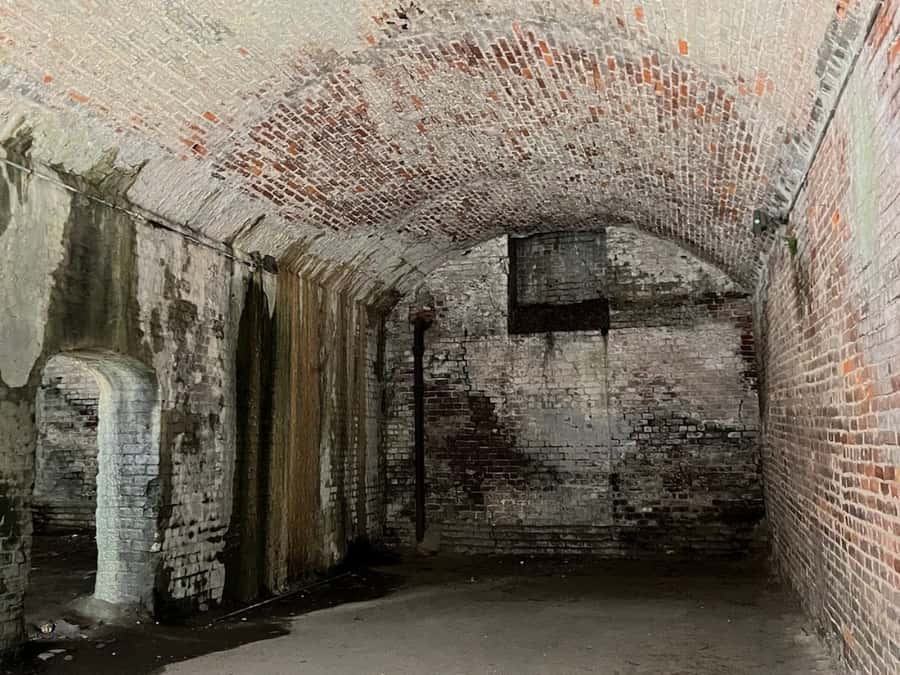
- River Street gets explained as a working system, not just pretty waterfront views.
- Cotton shipment details connect local warehouses to the United Kingdom.
- Johnson Square is treated honestly, including the reality of auctions.
- Green-Meldrim House and Second African Baptist Church add important context beyond the squares.
- Expect some standing time, even if you’re not crossing the city.
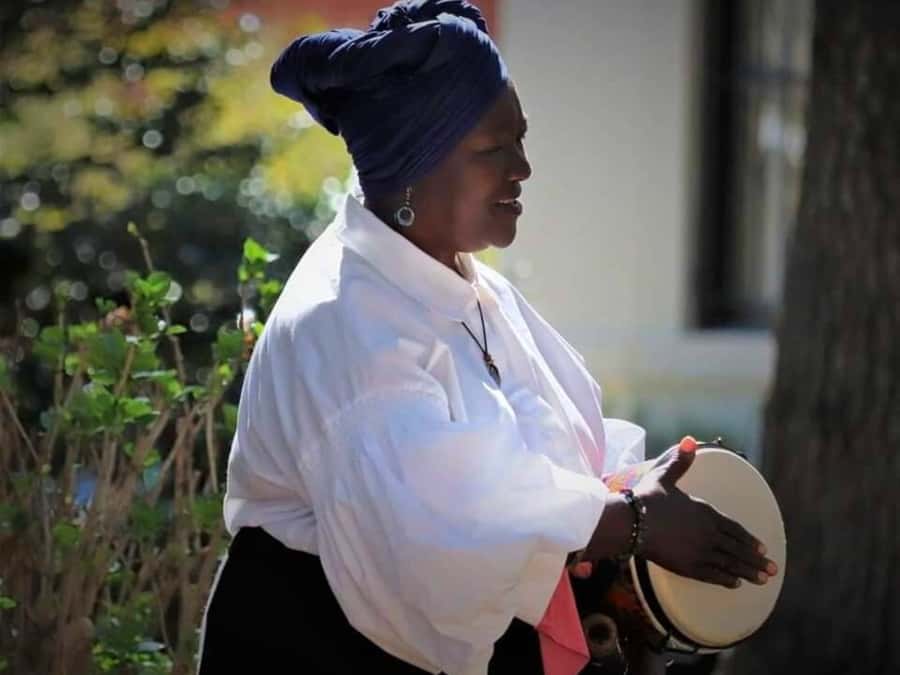
- A strong guide makes or breaks it, and the guide performances here are often described as moving and thorough.
A tour that turns Savannah’s landmarks into real evidence
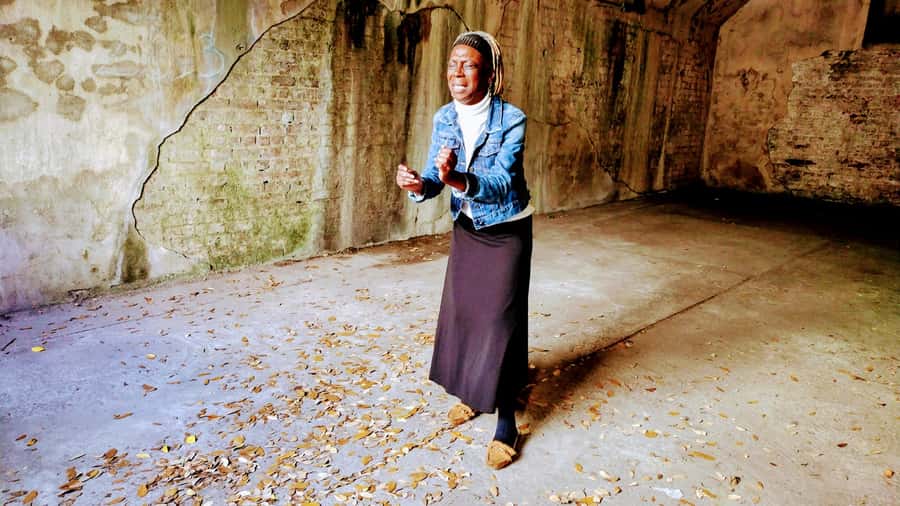
Savannah can look calm and graceful from the street. This tour challenges that first impression by showing how the city’s famous layouts, buildings, and waterfront activity were connected to human suffering and forced labor.
You’re moving through the area around River Street and several historic squares—Taylor Square, Franklin Square, and Johnson Square—while your guide connects the dots. The goal isn’t “scenic history.” It’s understanding how Savannah functioned during the antebellum era on the coast, and how the African American story continued from slavery toward freedom.
And yes, the narration can hit hard. Many guides in this style are described as truth-tellers, and the tone matters because the details are not soft. You should treat this like a learning experience that also asks something of you.
We have more walks through Savannah's historic squares and old district to wander



Where this 3-hour format shines (and where it limits you)
At 3 hours, this is long enough to do more than one or two stops, but short enough that you won’t get exhausted if you plan smart. The tour includes a bus tour plus live narration, which helps when you want context without spending the whole afternoon marching.
That said, the experience is stop-and-talk heavy. One reviewer even noted that the distance may be short, but the time at each point can feel long—enough that standing can be a factor for some people. So if you’re the type who hates waiting around, build in patience.
Also, the tour is not suitable for mobility impairments. If that affects you, it’s better to pick a different format or ask the operator in advance whether any accommodations are possible.
River Street: cotton, warehouses, and the machinery of enslavement
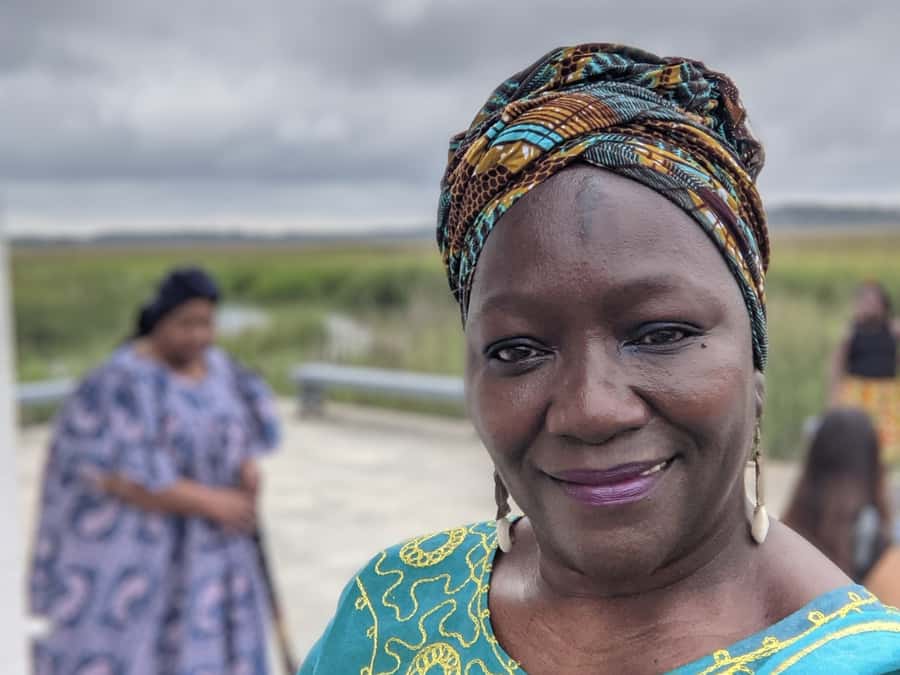
River Street isn’t just where you take photos. On this tour, it becomes a timeline you can walk through with your guide.
You’ll learn about how West African people were taken and routed to Savannah, then used in slave labor to build and support the warehouses along the waterfront. That’s a key shift in how you’ll see the area: you’ll start noticing the city as infrastructure, not decoration.
Your guide also explains where cotton was shipped out to the United Kingdom. That connection makes the local story bigger. It shows Savannah as a port city in a transatlantic economic system, not a series of isolated tragedies.
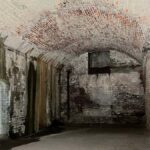
One particularly pointed detail: you’ll also see storages described as looking similar to old slaveholding bins. Even if the buildings aren’t identical replicas of the worst practices, the point is clear—architecture can hide a brutal function. Your guide helps you read those shapes with new eyes.
The squares: Taylor and Franklin as civic power, Johnson as public punishment
Savannah’s squares are part of what makes the city feel orderly. On this tour, your guide uses that order to talk about power.
At Taylor Square and Franklin Square, you’ll get context about how the city developed and how enslaved people were treated as labor, property, and revenue. The tour doesn’t just say what happened. It helps you understand how a society’s planning and public spaces can reinforce a system.
Then you reach Johnson Square, and the story gets darker. The tour includes seeing where slaves were auctioned off. This is one of the most intense stops, because it turns a public landmark into a reminder that violence was institutional and visible.
If you’re someone who likes moral clarity, you’ll appreciate how the narration keeps the details direct. This is also where the tour’s value becomes more than educational—it becomes a confrontation with the past that shaped present-day wealth, institutions, and memory.
Green-Meldrim House: a landmark with context you can’t skip
The Green-Meldrim House is listed as a stop, and it matters because it adds another layer to the story beyond waterfront labor and public sales.
Historic houses can feel like time capsules. Your guide is there to keep you from treating them like neutral museum pieces. Instead, you’ll learn how domestic spaces and elite holdings connect back to the broader economy that depended on enslaved labor.
This is the kind of stop that helps you connect themes. For example: how a city’s prosperity and its architecture can be linked to suffering you can’t ignore.
There are more Gullah Geechee and Black-heritage tours to learn from in Savannah



Second African Baptist Church: faith, survival, and community memory
The tour also includes the Second African Baptist Church. Churches are more than buildings in African American history. They’re places where community life, worship, and collective resilience take shape—often under intense pressure.
Your guide uses this stop to broaden the story from the antebellum period into what came after. You’ll hear about the African American journey from slavery to freedom, and you’ll see how faith and community traditions helped people endure and build.
This is also where many people feel the emotional lift. It doesn’t erase the horror, but it adds something essential: survival wasn’t only endurance—it was culture, organization, and hope.
How the best guides change the whole experience
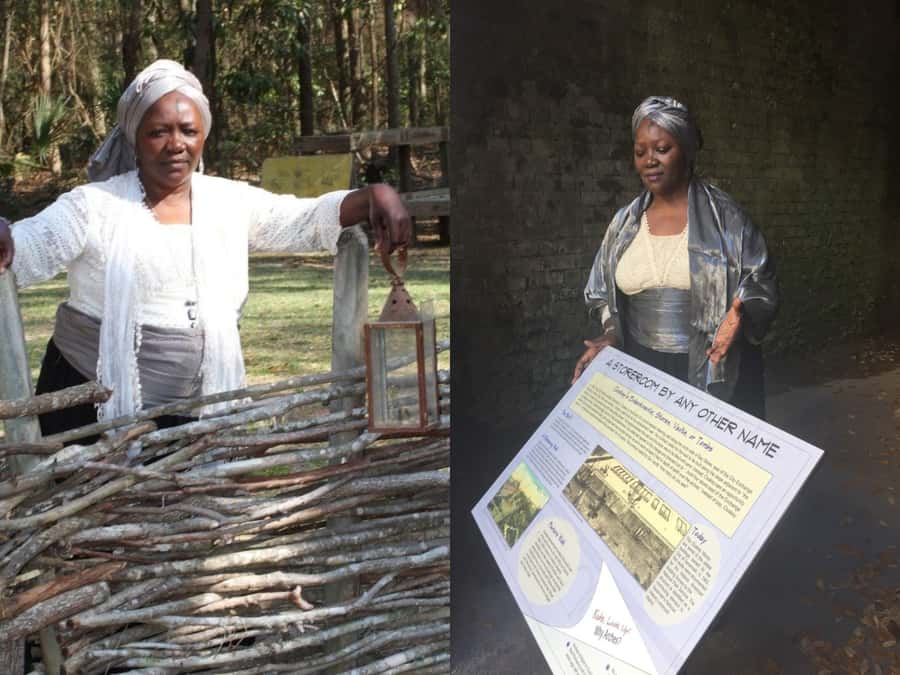
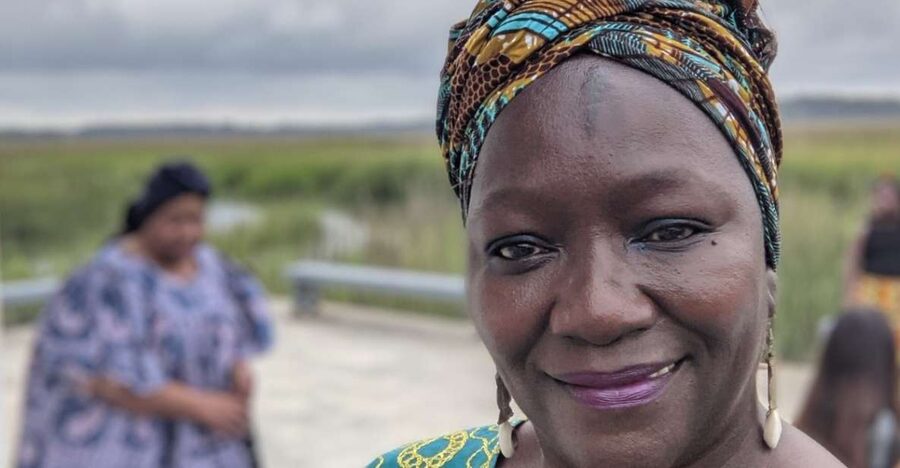
A major reason the tour scores so well is storytelling quality. The name that comes up again and again in standout experiences is Ms. Pat, with many people calling her Sister Pat. People describe her as passionate, emotionally present, and committed to telling the truth.
In plain terms, a great guide keeps you from getting lost in facts. They explain why each stop matters and how it connects. They also know how to keep the tone respectful even when the topic is brutal.
Some people also mention Sister Roz as part of the experience, and they highlight the way music and performance can help the story land. Your takeaway shouldn’t be only what happened, but how to see the city’s symbolism and layout with understanding.
If you end up with a guide known for clarity and strong performance, this tour can feel like it changes how you walk through Savannah afterward.
What to wear and bring so you can focus
This tour is outdoors in historic areas and includes standing at stops, so comfort matters.
Bring:
- Comfortable shoes
- Water
- Sunscreen and sunglasses
- Comfortable clothes for the weather
Not allowed:
- Alcohol and drugs
A practical tip: wear layers if weather is shifting. Savannah can go from warm to muggy-fast, and you’ll want to stay comfortable while listening.
Who should book this tour (and who might want a different option)
This is a strong choice if you:
- Want a structured 3-hour overview that actually uses landmarks as teaching tools
- Like learning history with narrative context, not just signboards
- Care about seeing the African American story as more than a sidebar
- Prefer a live guide who can answer the room and keep the pacing moving
It may not be for you if you:
- Need a fully seated experience (this tour isn’t suitable for mobility impairments)
- Can’t handle intense topics presented directly
- Struggle with standing time at multiple stops
Also, it’s worth knowing that some people hope for longer coverage or more time at churches. If you want extra stops beyond what’s listed, you might need another tour or a follow-up self-guided walk.
Price and value: what $68 buys in real experience
The price is $68 per person for 3 hours and includes the bus tour, a tour guide, and live narration.
Value here comes from three things:
- Duration with direction: You’re not paying for a quick hit. Three hours is long enough to build a coherent story.
- A guide who interprets, not just recites: The tour’s standout element is how well the narration connects the places to the larger forced-labor and freedom story.
- Multiple high-signal stops: River Street, Johnson Square, Taylor Square, Franklin Square, Green-Meldrim House, and Second African Baptist Church are all big anchors. That matters when you’re trying to see “what to look for” during limited time in Savannah.
If you’re the type who usually feels disappointed by history tours that skim the surface, this one is built to do the opposite. That’s where the price starts to feel less like a cost and more like a ticket to understanding.
Should you book Savannah’s African American History Tour?
Book this tour if you want Savannah explained through honest, place-based storytelling. It’s not a generic city walk. It’s a guided route through the waterfront economy, the public squares where the system was enforced, and landmarks tied to community memory like Second African Baptist Church.
Skip it if you need full accessibility support or if you know you can’t handle standing at stops. Also, if you prefer a lighter tone, this tour may feel too heavy.
My bottom line: for $68 and three hours, you’re buying something rare—context that helps you look at River Street, the squares, and historic buildings and finally understand what those spaces cost people. If that sounds like what you want from Savannah, this is the right stop on your itinerary.
FAQ
How long is the Savannah African American History Tour?
The tour lasts 3 hours.
What’s included in the ticket price?
The experience includes a bus tour, a tour guide, and live narration.
How much does it cost?
The price is $68 per person.
What language is the tour offered in?
The tour guide provides narration in English.
What should I bring to the tour?
Bring comfortable shoes, water, sunglasses, sunscreen, and comfortable clothes appropriate for the weather.
Is this tour suitable for people with mobility impairments?
No. The tour is listed as not suitable for people with mobility impairments.
More Tour Reviews in Savannah


More Gullah Geechee and Black Heritage Tours in Savannah

More Savannah Squares and Historic Walking Tours



Not quite your thing? Here is more to see and do around Savannah











Savannah Squares & Historic Walking Tours, compared.
 ★ 5.0Savannah History and Haunts Candlelit Ghost Walking TourFrom $393,235 reviews
 ★ 5.0Savannah First Squares Culinary & Cultural Walking Food TourFrom $963,229 reviews
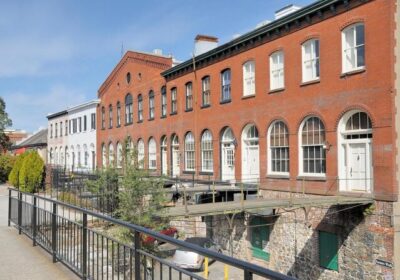 ★ 5.0Historic Savannah Guided Walking TourFrom $302,918 reviews
 ★ 4.5Savannah’s Ghost City “Dead of Night” Walking Night TourFrom $342,482 reviews
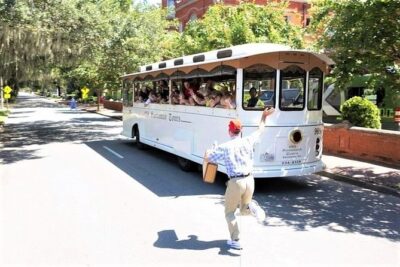 ★ 4.5Narrated Historic Savannah Sightseeing Trolley TourFrom $352,375 reviews
 ★ 4.5Southern Flavors Food, Pub Crawl, and History Walking TourFrom $601,623 reviews
 ★ 5.0Genteel and Bard’s Savannah Dark History and Ghost Encounter Walking TourFrom $391,546 reviews
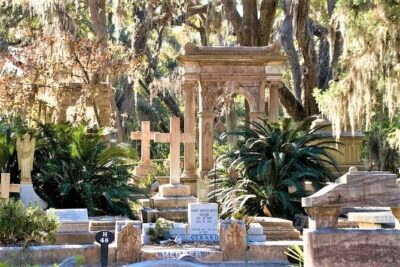 ★ 5.0Bonaventure Cemetery Walking Tour with TransportationFrom $481,467 reviews
Browse the lists this tour appears in