
Reviewed · SAVANNAH SQUARES & HISTORIC WALKING TOURS
Savannah Slavery to Freedom Guided History Tour
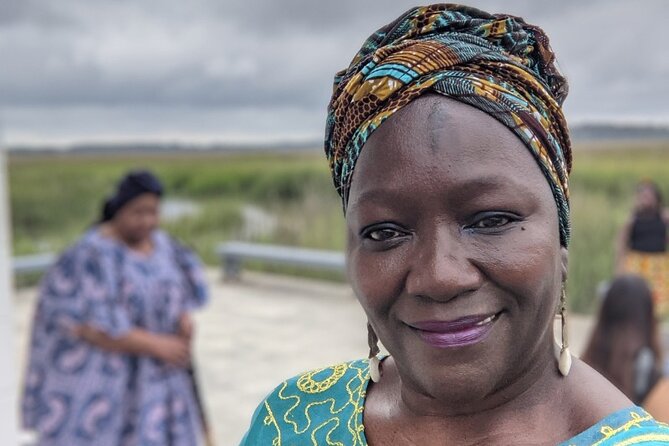
Savannah history hits different when someone tells it like living memory. I love the focus on West African roots and the way Sistah Patt’s Master Gullah Geechee truth-telling connects the city’s landmarks to the people who were forced into labor. I also like the direct, on-foot-and-vehicle route through Johnson Square and key downtown sites. One drawback to plan for: this is largely a bus-based tour, so you’ll spend less time out of the vehicle than some photo-hungry folks expect.
It runs about 3 hours total (with 2–2.5 hours of narration), with morning or afternoon departures and a capped group size of 32. You start at 223 Martin Luther King Jr Blvd and return there at the end. Tickets are mobile, it’s in English, and service animals are allowed—plus you’ll want good weather, because the tour is weather dependent.
In This Review
- Key things to know before you go
- Why This Tour’s Truth-Telling Style Feels Different in Savannah
- River Street Warehouses: West African Roots and Forced Labor in Plain Sight
- Johnson Square Auctions: What to Look For as You Walk (and What You Might Miss)
- The Journey Toward Freedom: Riding Past Key Landmarks
- African American Monument and Laurel Grove Cemetery: Remembering With Context
- Sistah Patt (and the Gullah Geechee Truth-Teller Approach) Works for Adults and Kids
- Price and Time: Is $54.78 Worth It for 3 Hours?
- Logistics That Actually Matter: Bus Comfort, Walking, Water, and Photos
- Should You Book This Slavery to Freedom Tour?
- FAQ
- How long is the Savannah Slavery to Freedom guided history tour?
- How much does the tour cost?
- What language is the tour offered in?
- Where is the meeting point?
- Is there a mobile ticket?
- How large is the group?
- What’s included in the tour?
- What is not included?
- Are service animals allowed?
- Is ADA accessible transportation available?
- Can I cancel and get a full refund?
Key things to know before you go
- Master Gullah Geechee truth-telling sets a personal, grounded tone for the facts.
- River Street warehouses are linked to the forced movement of West Africans and slave labor.
- Johnson Square auction history is explained in clear, street-level context.
- Past the Second African Baptist Church you’ll hear about the journey toward freedom.
- African American Monument and Laurel Grove Cemetery add remembrance and continuity to the story.
- Bus time matters: expect limited stops on foot and lots of learning from the vehicle.
Why This Tour’s Truth-Telling Style Feels Different in Savannah

This isn’t a stop-and-skim sightseeing loop. The tour is built around a specific storyteller—Sistah Patt, a Master Gullah Geechee Truth-Teller—and that shapes everything you experience: how the story is paced, what gets emphasized, and how you’re guided to look at buildings and squares with new eyes.
I also appreciate the balance in the framing. The focus is not just horror for its own sake. You’re taught how slavery worked as a system—how people were routed, how labor built wealth and infrastructure, and how those choices left marks on Savannah’s landscape.
Finally, this kind of history can land hard. If you’re bringing kids, I’d think in terms of emotional readiness, not just age. Even when the narration is engaging, the subject matter is intense.
We have more walks through Savannah's historic squares and old district to wander


River Street Warehouses: West African Roots and Forced Labor in Plain Sight
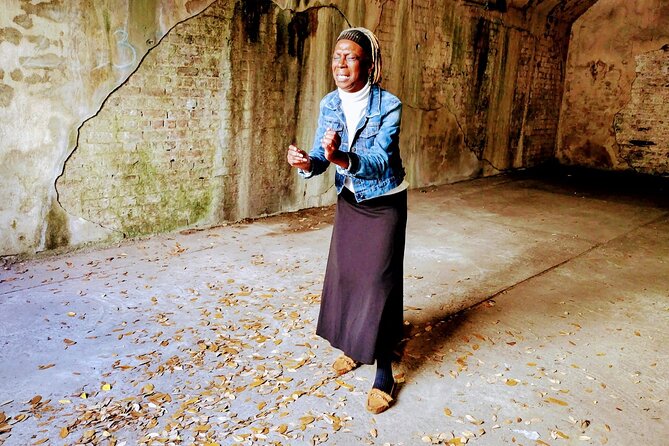
You start with the story behind the West African tribes that were routed to Savannah and used in slave labor to build the warehouses along River Street. That detail matters because it turns River Street from a pretty waterfront into an economic machine—with human lives at the center.
From a visitor’s perspective, this is where the tour earns your attention fast. You’ll connect what you see (warehouse buildings and the shoreline corridor) to what was happening out of view for centuries: forced labor, profit, and the transformation of a coastline into a working system.
A practical note: this first phase sets the mental map. If you’re the type who likes to photograph first and listen second, do the opposite here. Listen first so your camera actually captures meaning.
Johnson Square Auctions: What to Look For as You Walk (and What You Might Miss)
Next comes where enslaved people were auctioned off in Johnson Square. This stop shifts the story from labor and economics to public sale—how violence and ownership were made visible and routine in the city.
Even if you’re only out briefly, you’ll learn what to notice: the square’s role as a stage, the way crowds and commerce connected, and the reality that Savannah’s public spaces were part of the system. The narration helps you read the square beyond its historic look.
One consideration: because it’s a guided bus-and-walk plan, you might not get long photo time at every stop. If your goal is dozens of shots from every angle, set expectations now and focus on fewer, better photos.
The Journey Toward Freedom: Riding Past Key Landmarks
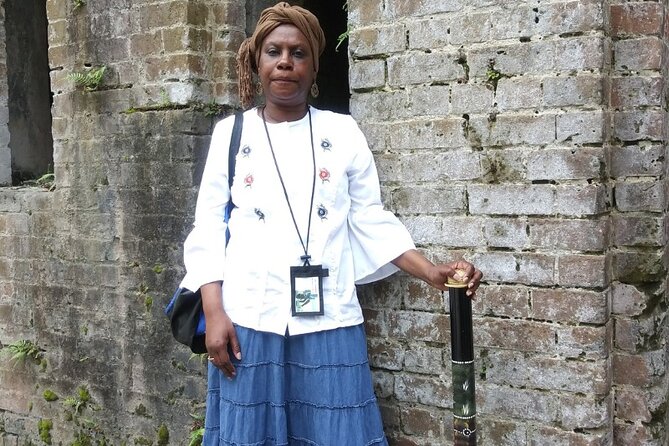
After the auction history, you hear about the journey to freedom as you board the vehicle and travel past the Second African Baptist Church. This section feels like a transition—still rooted in the past, but moving toward the people’s resilience and the long arc out of bondage.
What I like about this part is the structure. You’re not only collecting grim facts in a row. You’re given a narrative that changes direction, so the tour doesn’t stay trapped in one mood.
Because this portion happens while riding, it helps to keep your eyes up even when you’re not stepping out. The windows become your frames, and the guide’s commentary becomes your captions.
African American Monument and Laurel Grove Cemetery: Remembering With Context
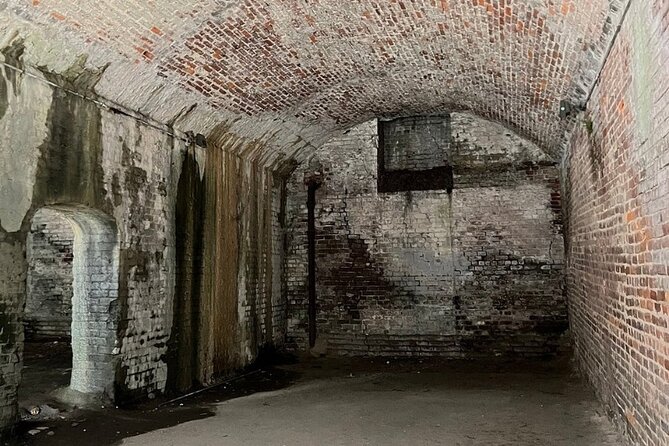
The included stops don’t stop at downtown streets. The tour includes the African American Monument and Laurel Grove Cemetery, which adds two important layers: public remembrance and generational memory.
For me, cemetery time is often the most quietly powerful part of a history tour, because it turns the story from a lesson into a marker of real lives. Even when you don’t spend a long stretch there, the meaning lingers—especially after you’ve already walked through (and learned about) the city’s mechanisms of slavery and freedom.
It’s also one reason this tour can feel more complete than the typical quick-carry city loop. You get the full range: commerce, public sites, faith landmarks, and remembrance spaces—connected in one flow.
There are more Gullah Geechee and Black-heritage tours to learn from in Savannah



Sistah Patt (and the Gullah Geechee Truth-Teller Approach) Works for Adults and Kids
This is one of the most praised parts of the experience, and for good reason. Sistah Patt’s style is energetic, story-forward, and fact-focused, with a mix that can include humor and context alongside the hard truths.
I’ve also noticed a theme in the feedback: the narration is built to hold attention. Even teens and younger history lovers often stay engaged, partly because the guide doesn’t just recite dates. The story is tied to place, and that keeps the experience moving.
Still, intensity is real. If your group includes very young kids or someone who prefers lighter sightseeing, you should expect this tour to be emotionally weighty. The tour is best for people who want the truth, not a softened version.
Price and Time: Is $54.78 Worth It for 3 Hours?
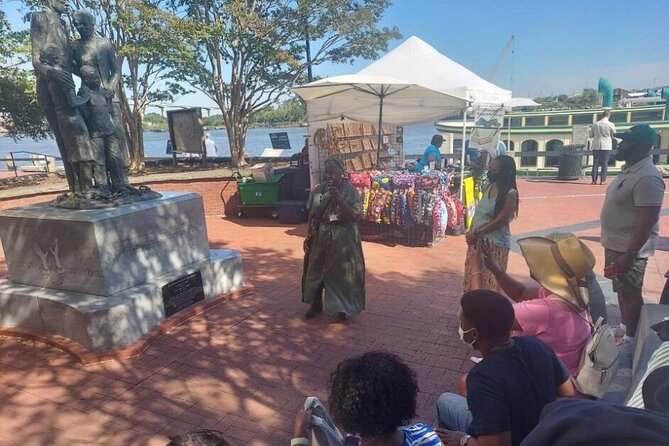
At $54.78 per person, this is not the cheapest thing to do in Savannah—but it doesn’t feel overpriced either, given what you get. You’re paying for a guided, narrated route that includes multiple key sites: River Street areas connected to warehouse labor, Johnson Square auctions, the Second African Baptist Church area, plus the African American Monument and Laurel Grove Cemetery.
You also get a small-group cap (32 max). That matters because the guide can pace the experience for listening, not just for motion.
And the tour length is focused: about 2–2.5 hours of narration with roughly 3 hours total on the calendar. If you want a single guided experience that gives you a strong framework for the rest of your Savannah time, this is a good candidate.
Logistics That Actually Matter: Bus Comfort, Walking, Water, and Photos
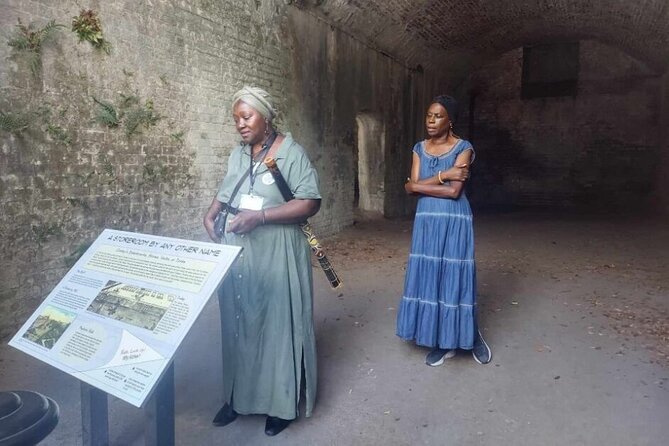
This tour ends back at the meeting point at 223 Martin Luther King Jr Blvd, and it’s offered in English. Tickets are mobile, and confirmation is received at booking, so you can plan without extra back-and-forth.
A big practical thing: it’s a bus tour (with guided stops), and that means you’ll spend a lot of time learning while seated. Some people like that; others want more out-and-about time. If photos are your priority, plan to take pictures from the stops you get—and don’t treat every moment of the route as a walking opportunity.
Also plan for what’s not included. Bottled water isn’t included, gratuities aren’t included, and parking costs are on you. Bring your own water if you like, and save a little for tip and any parking you may need.
Should You Book This Slavery to Freedom Tour?
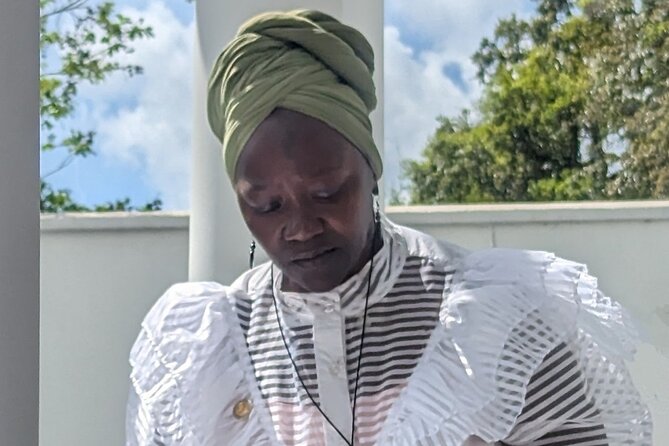
Book it if you want Savannah history that centers the people who were enslaved and connects that story to the city you’re walking through. If you care about accuracy and place-based storytelling—especially downtown landmarks like River Street and Johnson Square—this tour gives you a strong foundation quickly.
Skip it (or think twice) if you dislike heavy, serious subject matter, or if your group is mainly looking for lots of time out of the bus for photos. Also consider that the experience is weather dependent, so check conditions and don’t plan it as your only outdoor activity for the day.
If you’re unsure, treat it like the tour that gives you the “why” behind Savannah’s look. After this, other places in the city will start making sense in a new way.
FAQ
How long is the Savannah Slavery to Freedom guided history tour?
It lasts about 3 hours total, with 2–2.5 hours of narrated touring.
How much does the tour cost?
The price is $54.78 per person.
What language is the tour offered in?
The tour is offered in English.
Where is the meeting point?
The tour starts at 223 Martin Luther King Jr Blvd, Savannah, GA 31401, USA, and ends back at the meeting point.
Is there a mobile ticket?
Yes, it uses a mobile ticket.
How large is the group?
The tour has a maximum of 32 travelers.
What’s included in the tour?
Included are the narrated tour (2–2.5 hours), African American Monument, Sistah Patt (Master Gullah Geechee Truth-Teller), Johnson Square, and Laurel Grove Cemetery.
What is not included?
Gratuities for guides, bottled water, and the cost of parking are not included.
Are service animals allowed?
Yes, service animals are allowed.
Is ADA accessible transportation available?
You can request an ADA accessible vehicle with 24-hour advance notice.
Can I cancel and get a full refund?
Yes. You can cancel up to 24 hours in advance for a full refund. If you cancel less than 24 hours before the start time, the amount you paid won’t be refunded. The tour also requires good weather, and in poor weather you’ll be offered a different date or a full refund.
More Tour Reviews in Savannah



More Gullah Geechee and Black Heritage Tours in Savannah
More Savannah Squares and Historic Walking Tours



Not quite your thing? Here is more to see and do around Savannah











Savannah Squares & Historic Walking Tours, compared.
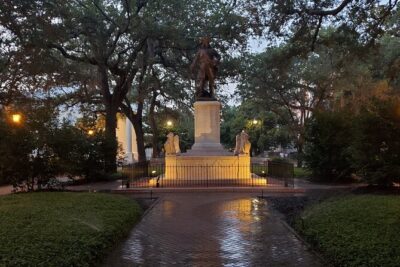 ★ 5.0Savannah History and Haunts Candlelit Ghost Walking TourFrom $393,235 reviews
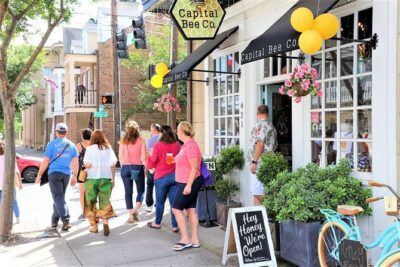 ★ 5.0Savannah First Squares Culinary & Cultural Walking Food TourFrom $963,229 reviews
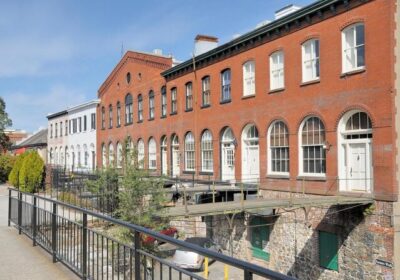 ★ 5.0Historic Savannah Guided Walking TourFrom $302,918 reviews
 ★ 4.5Savannah’s Ghost City “Dead of Night” Walking Night TourFrom $342,482 reviews
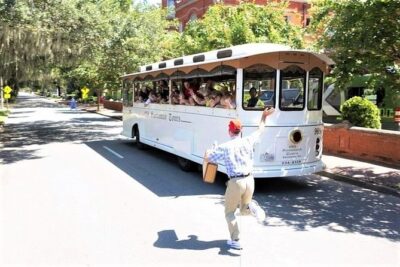 ★ 4.5Narrated Historic Savannah Sightseeing Trolley TourFrom $352,375 reviews
 ★ 4.5Southern Flavors Food, Pub Crawl, and History Walking TourFrom $601,623 reviews
 ★ 5.0Genteel and Bard’s Savannah Dark History and Ghost Encounter Walking TourFrom $391,546 reviews
 ★ 5.0Bonaventure Cemetery Walking Tour with TransportationFrom $481,467 reviews
Browse the lists this tour appears in