
Reviewed · SAVANNAH HISTORIC HOMES & ARCHITECTURE
Andrew Low House
Savannah has a way of making history walk right up to you. The Andrew Low House Museum turns a short visit into a clear story of cotton-era wealth, family life, and what’s now part of the Girl Scouts legacy. I like that the tour is structured, with docents running departures throughout the day, so you can plug it into almost any Savannah plan. You’ll also get to see how the house’s architecture and rooms reflect the way people lived in the 1800s, not just how it looks from the outside.
Here’s the one thing to keep in mind: the tour focuses on the most visitor-ready parts of the home, and some areas you might expect to see—like working spaces—are not part of the guided route.
In This Review
- Key things to know before you go
- A quick hit of Savannah’s cotton-era story at the Andrew Low House
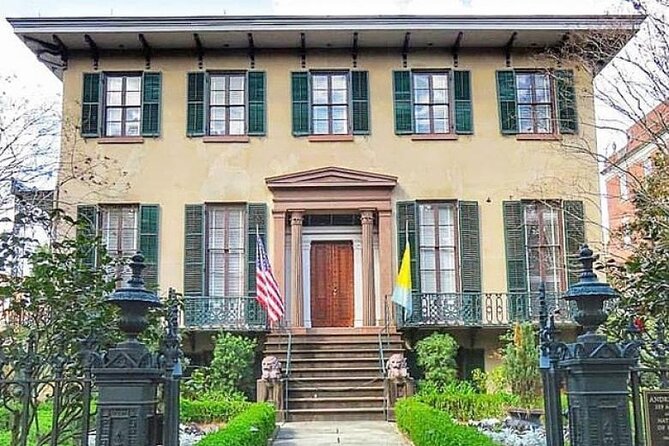
- Italianate Mansion Design: what you’ll notice as you tour
- Inside the docent-led tour: first floor rooms and upstairs spaces
- First floor: the public-and-family mix
- Upstairs: family life, children’s space, and special rooms
- What you may wish were included
- The enslaved community story and how the tour handles it
- Gardens time: where the mansion breathes
- Price and timing: value for $15 in Savannah
- Who should book this Andrew Low House tour (and who might skip it)
- Should you book it?
- FAQ
- How long is the Andrew Low House Museum tour?
- How often do tours depart?
- What is included with the ticket price?
- Are there bathroom facilities at the Andrew Low House?
- What are the opening hours?
- Can I cancel and get a refund?
Key things to know before you go
- Docent-led timing: tours leave about every 30 minutes (on the hour and half hour)
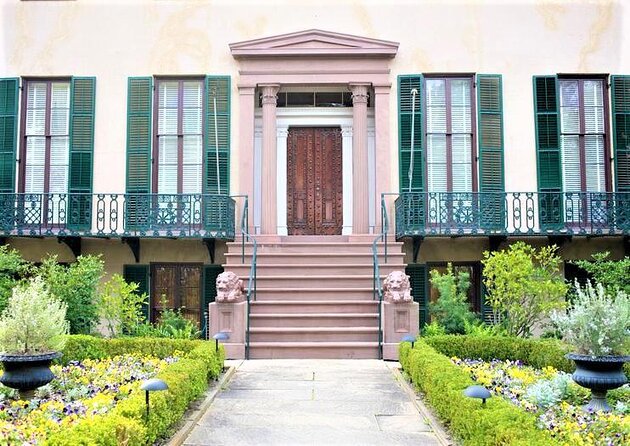
- Italianate house details: built for Andrew Low, designed by John Norris from New York
- Real family connections: William Low and Juliette Gordon Low inherited the house
- A thoughtful look at 19th-century life: you’ll hear about both the family and people enslaved at the home
- What you’re shown is curated by design: the route doesn’t include every room in the building
- Gardens are part of the experience: you get time to wander outside after the house tour
A quick hit of Savannah’s cotton-era story at the Andrew Low House
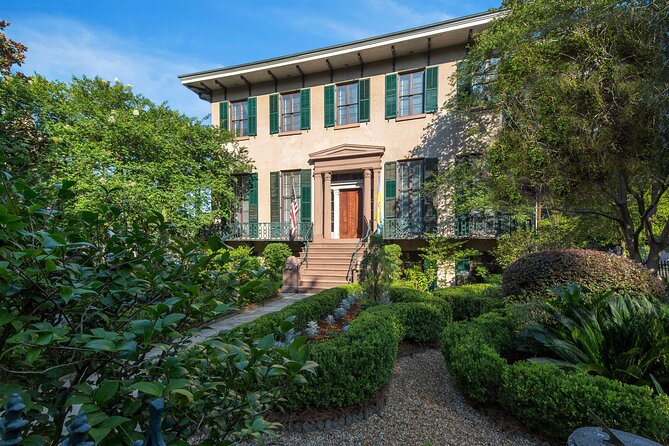
The Andrew Low House is an easy win if you want Savannah history without a long, exhausting day of museums. For $15, you’re buying a guided, 19th-century-focused walk through a preserved mansion, plus time in the gardens. It’s the kind of place that makes you understand the city’s “big picture” fast: who had money, how homes were set up, and how daily life worked inside those walls.
What makes this one especially useful is the way the tour explains the connections. Andrew Low was a wealthy cotton merchant, and the house was built for him by architect John Norris, who was based in New York. Then the story moves forward through inheritance—Andrew Low’s son William and Juliette Gordon Low (the Girl Scouts founder) ended up with the home after his passing. If you’re at all curious why the Girl Scouts name shows up in Savannah history, this is one of the most direct ways to see the link.
The mansion’s theme isn’t just “pretty rooms.” The tour is structured to show how people lived there in the 1800s and to include the reality that people enslaved at the home lived and labored there too. That’s not a sidebar—it’s part of the guided narrative.
There are more Savannah historic homes and architecture tours to admire



Italianate Mansion Design: what you’ll notice as you tour
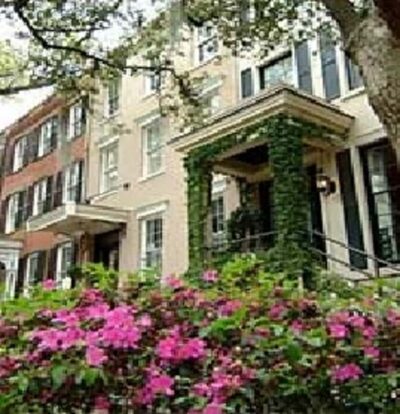
This house is Italianate, which means you’ll likely spot the classic hallmarks of that style in the way the structure presents itself and in the feel of the interior spaces. As you go room to room, keep an eye on how the home is organized—because the layout helps you read what mattered to the Low family.
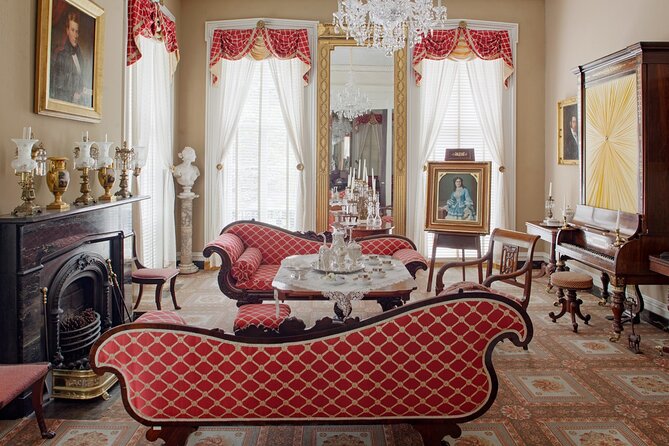
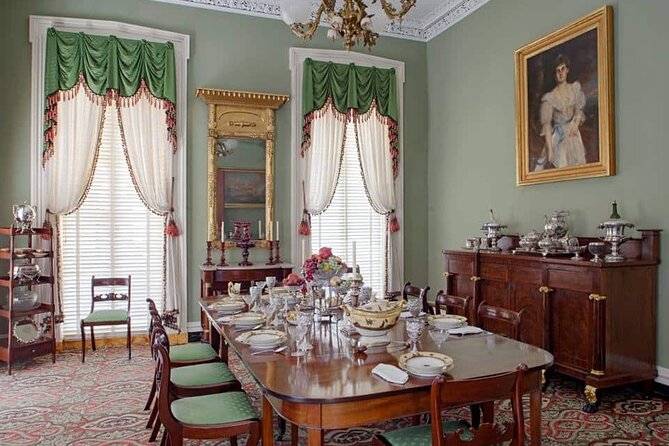
On the first floor, you’ll move through formal and informal spaces: the formal and informal parlors, plus the library and dining room. That mix tells you something important: this wasn’t just a private residence. It was built to handle social life, visitors, and everyday family routines all under one roof. Then upstairs, the home shifts toward private family life, with features like a children’s playroom and bedrooms.
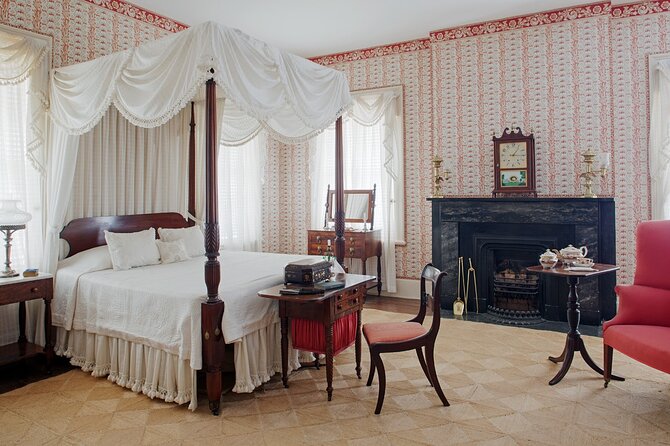
Two details stand out in the upstairs description because they add texture beyond “rooms and furniture.” One is a rare-for-the-period indoor bathroom, which makes the house feel more modern than you might expect from the time period. The other is that two of the bedrooms were once occupied by notable guests, which adds a sense of the household as a place people were invited to—or hosted—rather than only a family nest.
Inside the docent-led tour: first floor rooms and upstairs spaces
The guided tour is about 40 minutes, and it runs with departures approximately every 30 minutes—on the hour and half hour—during opening hours. That pacing matters. You don’t have to commit to a big chunk of your day, and you can choose a slot that matches your Savannah walking rhythm.
First floor: the public-and-family mix
The route starts where most historic houses start to “make sense”—the shared rooms. Expect to see:
- Formal parlor: built for receiving and being seen
- Informal parlor: where day-to-day living likely felt more flexible
- Library: a quieter, status-forward space
- Dining room: food, conversation, hosting, and routine all at once
This part is helpful because it shows the difference between spaces meant for guests and spaces meant for the family’s rhythms. If you’ve ever wondered why older homes feel so “sectioned off,” this tour makes the logic clear.
Upstairs: family life, children’s space, and special rooms
Upstairs, you’ll get the more intimate side of the home. The tour includes:
- Children’s playroom
- Rare indoor bathroom (for its era)
- Bedrooms, including two that were once occupied by notable guests
Even if you’re not an architecture person, the upstairs rooms usually hit the emotional sweet spot: it’s easier to picture the people who lived there and how the house functioned as a home, not just a monument.






What you may wish were included
A balanced expectation check: the guided route doesn’t show every working space. Some visitors want to see the kitchen or help-related areas, but those spaces aren’t part of what’s shown in the guided portion. When staff explain it, the reason is straightforward: some areas are used for administration and research instead of being opened like a full “every room” museum. So yes, you get a strong core experience—but not a complete inventory of every part of the building.
The enslaved community story and how the tour handles it
One of the most important parts of this house museum is not the wallpaper or the furniture. It’s the way the tour discusses slavery and labor at the home. During the guided visit, docents explain how the Low family lived, and they also address those enslaved who lived and labored at the house.
That framing matters for two reasons.
First, it avoids the common problem where historic house tours become purely decorative. You’re not just viewing a “wealthy family’s lifestyle display.” You’re being taught that the comfort you see was built within a brutal system.
Second, it makes your visit more meaningful if you’re trying to understand Savannah as it truly was in the 1800s. Even in an Italianate mansion, the human reality under the surface is the story.
Gardens time: where the mansion breathes
Your visit isn’t all indoors. After the guided house portion, you’ll have time to wander through the impressive gardens. The gardens are a nice reset after interior rooms, and they help you see the house as it sits in its larger setting rather than floating as a “museum object.”
If you’re visiting during warm weather, treat this part like a small reward. A short stroll outside helps you remember what you just learned. You may also find it easier to connect the “who lived here” story to the physical sense of space—paths, open views, and the way a household’s grounds would have mattered for daily life.
Price and timing: value for $15 in Savannah
At $15 per person, this is priced like an easy add-on that still feels substantive. The math works because you’re getting:
- a docent-led tour (not just a self-guided walkthrough)
- time inside a historic Italianate mansion
- a connection to larger Savannah stories, including Juliette Gordon Low and the Girl Scouts legacy
- time in the gardens
Duration is about 1 hour total, including the guided portion, so it’s realistic even if you’re doing a packed day of old-town walking. Tours depart throughout the day, and you can aim for a time that avoids your worst heat or the busiest walking windows.
As for planning: it’s commonly booked around 18 days in advance on average, so if you’re traveling in a peak period, consider locking in your slot early rather than waiting until the last minute. That small effort can save you from having to swap plans.
Quick practical tip: since there’s no bathroom on-site, plan ahead. If you’re touring back-to-back with other attractions, build in a stop nearby before you go in.
Who should book this Andrew Low House tour (and who might skip it)

This tour is a strong fit if you want:
- history that’s explained clearly by a docent
- a look at Savannah through an actual mansion with real rooms and layouts
- a connection between 19th-century family life and the Girl Scouts founder, Juliette Gordon Low
- both indoor architecture and outdoor garden time
It’s also a great choice for architecture fans. The house is Italianate, and the tour includes enough room-to-room detail to help you read the building rather than just look at it.
You might consider a different option if you’re expecting a “complete house museum” where every area is open and every working space is part of the route. The experience is focused, and some rooms you might assume are visible aren’t in the guided path.
The overall tone, based on how the tours are described and how staff address expectations, is: you’re paying for a curated visit with expert explanation—not a building-wide free-for-all.
Should you book it?
Yes—if you want a high-value, guided historic house experience in Savannah that connects family history, architecture, and the harder parts of the past. The $15 price is reasonable for a docent-led tour that includes both house rooms and garden wandering, and the narrative structure helps you leave with a clearer sense of who Andrew Low, William Low, and Juliette Gordon Low were in Savannah’s story.
If you’re the type who needs to see every single area of a historic building, adjust your expectations and go in for what’s provided: a smart, guided tour of the rooms they highlight—plus the gardens—done on a schedule that’s easy to fit into your day.
FAQ
How long is the Andrew Low House Museum tour?
The visit is about 1 hour total, with the docent-led house tour described as around 40 minutes.
How often do tours depart?
Tours depart approximately every 30 minutes, on the hour and on the half hour.
What is included with the ticket price?
Admission to the museum is included. The experience is a guided docent-led tour.
Are there bathroom facilities at the Andrew Low House?
No. There are no bathroom facilities available for visitors.
What are the opening hours?
The museum is open Monday through Saturday from 10:00 AM to 4:00 PM.
Can I cancel and get a refund?
Yes. You can cancel for a full refund up to 24 hours before the experience start time.
More Tour Reviews in Savannah


More Savannah Historic Homes and Architecture


Not quite your thing? Here is more to see and do around Savannah












Savannah Historic Homes & Architecture, compared.
 ★ 5.0Private Tour of Savannah’s Historic/Victorian Districts & Bonaventure CemeteryFrom $175418 reviews
 ★ 4.5Historic Homes of Savannah Guided Walking Tour116 reviews
 ★ 5.02 Hours Savannah Architectural TourFrom $5053 reviews
 ★ 4.2History and Architecture Homes WalkFrom $3013 reviews
Browse the lists this tour appears in