
Reviewed · SAVANNAH CIVIL WAR & SOUTHERN HISTORY TOURS
American Prohibition Museum Admission
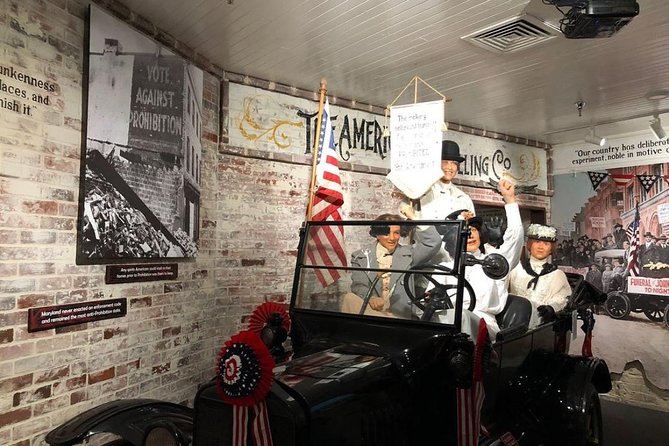
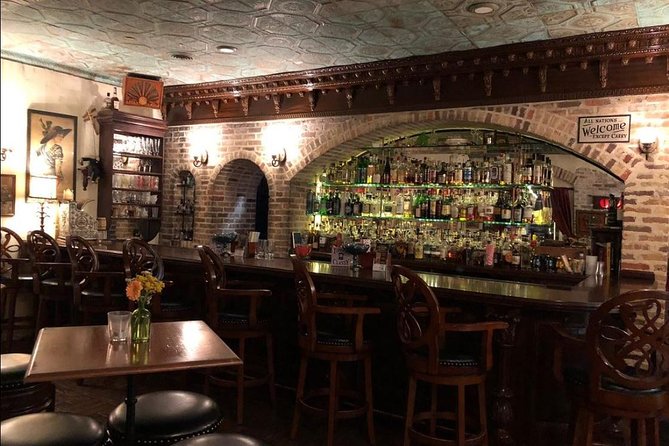
A country gets weird when the laws get stricter. The American Prohibition Museum in Savannah uses props, photo-able scenes, and costumed storytelling to show how Prohibition reshaped American life. You’ll walk through recreated moments from the era and then finish in a speakeasy-style drink stop.
I love that the museum leans hard into the how and why, not just the alcohol. Expect more than 200 historical artifacts, including dry propaganda and brewing equipment for moonshine, with modern screens and dioramas that keep the story moving.
One thing to weigh: the speakeasy part follows extra rules. You’ll need photo ID for a wristband, alcohol isn’t served on Sundays (mocktails instead), and guests under 21 can’t enter the speakeasy.
In This Review
- Key points to know before you go
- American Prohibition Museum: what makes this ticket special in Savannah
- Your 1–2 hour game plan inside the museum
- 1918 street scene and the big sets that make history feel real
- Reverend Billy Sunday’s tent revival: where religion meets politics
- Carry Nation’s hatchetations and the anti-alcohol fight
- Moonshine backwoods: when Prohibition pushed production underground
- The propaganda lesson: more than 200 artifacts, including the messaging
- The Speakeasy after the tour: period drinks, ID wristbands, and Sunday mocktails
- Docent energy: when guided storytelling is worth the extra attention
- Price and timing: getting your money’s worth on a Savannah day
- Practical tips that make your visit smoother
- Should you book American Prohibition Museum admission?
- FAQ
- How long is the American Prohibition Museum experience?
- What hours is the museum open?
- What are the speakeasy hours?
- Is alcohol served in the speakeasy on Sundays?
- Do I need photo ID for the speakeasy?
- Are children allowed in the museum and speakeasy?
Key points to know before you go
- Only one of its kind: the museum focuses entirely on Prohibition and temperance in one place.
- More than 200 artifacts: look for dry propaganda plus moonshine-brewing equipment.
- Costumed docents lead the tone: they keep you entertained while explaining the “mindset” behind the laws.
- Big set pieces: a recreated 1918 street scene, a tent revival with Reverend Billy Sunday, and a moonshine backwoods area.
- Speakeasy has its own rules: photo ID for wristbands and no alcohol service on Sundays.
- Photo-friendly, timed well: cell phone and video are allowed for personal use in the museum galleries.
American Prohibition Museum: what makes this ticket special in Savannah
Savannah is full of great indoor stops, but this one has a single-minded focus: Prohibition and the temperance movement that fed it. The American Prohibition Museum is the only one of its kind in the world, which matters because you’re not bouncing between random eras or topics. You get the full arc—why people pushed for “dry” laws, how the culture reacted, and how it all unraveled.
The ticket price—$19.78 per person for museum admission—starts to make sense when you picture the scope. You’re not paying just to see a few displays; you’re paying to spend around 1–2 hours in a guided, story-driven show built from physical sets, artifacts, and tech.
And here’s the hook that keeps it fun: this isn’t only about booze. It’s about religion, politics, advertising, and social pressure. One minute you’re staring at propaganda. The next you’re standing in scenes like a recreated 1918 street setting “anywhere, USA,” or a backwoods moonshine area that feels like you stepped into the middle of a tall-tale.
We have more Civil War and Southern-history tours across Savannah to follow
Your 1–2 hour game plan inside the museum
If you like museums that move at a human pace, this one usually works well. The format is designed to lead you through the story from stop to stop, with costumed docents guiding the experience and giving you context while the scenes do the heavy lifting.
That said, timing matters because the museum is popular and parts of the visit can get crowded. A couple of people pointed out that some areas feel rushed when the crowd thickens, and interactive spots can be busy. If you’re the type who reads every label, give yourself a little buffer.
My best advice is simple: don’t try to “speedrun” it. Plan on about two hours at a minimum if you want to actually see the artifacts and take in the set pieces. If you can, do the museum first with your guide, then return afterward (if you have time) to slow down on the parts you liked most.
1918 street scene and the big sets that make history feel real
Some museums rely on glass cases. This one builds scenes that put you in the middle of the argument. The recreated 1918 street scene is a standout because it’s labeled for a reason: it’s meant to feel like Anywhere, USA. That makes the message bigger than a single town or region.
Instead of treating Prohibition as a distant event, you see how it plays out in everyday life—shops, street culture, and the kind of social messaging that turns personal choices into public identity. It’s an effective way to show why temperance didn’t stay in a church basement. It became mainstream culture.
Then there’s the “stagecraft” element: the visuals are designed to be understood quickly. If you’re traveling with kids, a busy schedule, or you don’t want a long lecture, these scenes help you catch the story without needing to memorize dates.
Reverend Billy Sunday’s tent revival: where religion meets politics
One of the most memorable stops is the tent revival scene featuring Reverend Billy Sunday. This isn’t just a historical “costume display.” It’s built around performance—fire and brimstone style preaching energy—because Prohibition was sold as moral reform, not just a legal change.
You’ll also see how the movement used dramatic persuasion. Temperance supporters weren’t only trying to change laws; they were trying to change hearts and habits. That’s why the revival setup works so well. It gives you a sense of the intensity behind the push for “dry” control.
If you’re the kind of person who enjoys culture history—how people got convinced—this scene will be one of your favorites.
Carry Nation’s hatchetations and the anti-alcohol fight
The museum doesn’t shy away from the confrontational side of temperance. You’ll run into depictions tied to Carry Nation’s hatchetations, a reminder that for some activists, protesting wasn’t calm and quiet. It was direct, physical, and meant to force attention.
This part is especially useful because it shows the gap between what people promised (“better society”) and what the campaign looked like in real life (aggressive tactics and public drama). It’s easy to read Prohibition as a simple policy. The museum frames it as a social conflict.
The “why” becomes clearer as you keep moving. You start to see how Prohibition supporters thought they were fighting sin. You also start to see how opponents experienced that fight as intrusion.
We have more Savannah museums and exhibits to step inside
Moonshine backwoods: when Prohibition pushed production underground
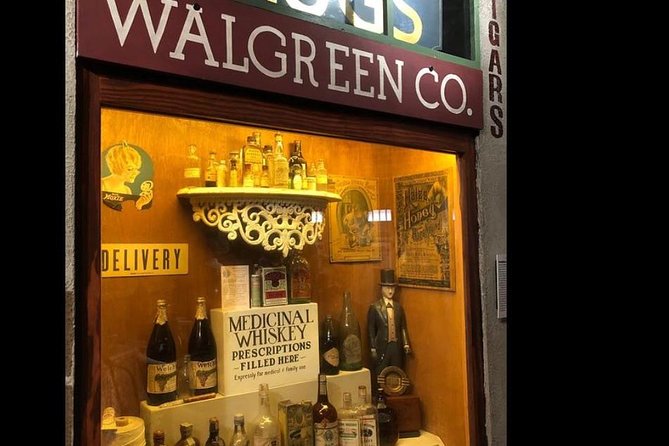
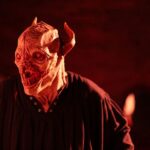
When the story turns toward the hidden side of American alcohol, the museum shifts tone. The dimly lit moonshine scene is tucked back into what feels like the wilderness of America’s backroads, and it helps explain a basic reality: outlawing something often doesn’t erase demand.
Instead, it changes where and how people get what they want. The museum uses props and interpretive displays to make that shift feel logical, not just rebellious. That’s where the artifacts matter. Items connected to brewing and production help you understand how “dry” laws created whole underground supply chains.
If you love true-crime vibes, or if you’ve ever wondered why laws can create black markets, this is the section that gives you the most payoff.
The propaganda lesson: more than 200 artifacts, including the messaging
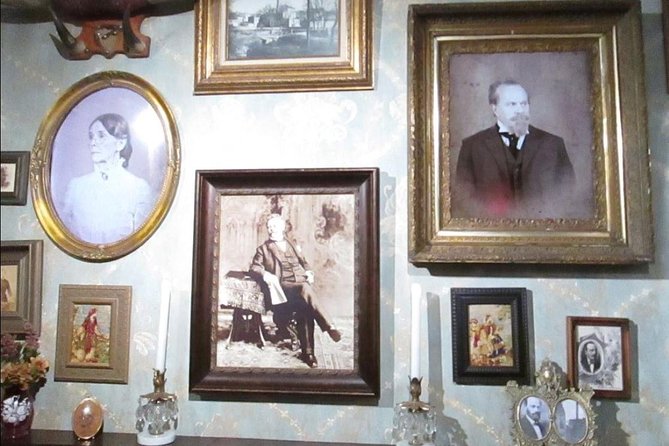
Prohibition was also a communication campaign. The museum’s collection includes dry propaganda along with many artifacts tied to the era’s attitudes and actions. That means you don’t just learn that temperance existed. You see how it tried to convince people it was right.
This is one place where the modern presentation helps. Murals, videos, and high-tech elements help you connect what you’re seeing to what the movement wanted people to believe. It also makes you notice something useful as a traveler: advertising and persuasion tactics don’t live only in modern times.
You’ll come away with a clearer sense of how moral arguments become political power. And you’ll probably leave thinking differently about any “vice vs virtue” debate you hear back home.
The Speakeasy after the tour: period drinks, ID wristbands, and Sunday mocktails
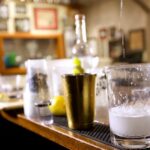
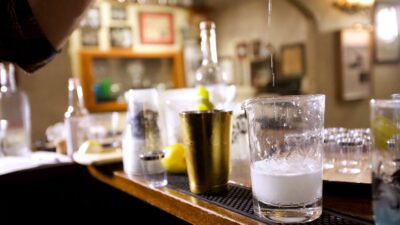
Here’s the fun payoff: after the museum, there’s a speakeasy-style bar serving period authentic cocktails. This is listed as a craft cocktail speakeasy, and the drinks are an additional expense, so don’t count on it being included in your $19.78 museum ticket.
Timing-wise, plan your day so you can actually enjoy this part. Some people said the bar visit was a highlight, and others pointed out the Sunday difference (more on that below). There’s also a detail worth noting: some groups choose drinks before the tour, and then the bar brings them out afterward. If that option is available when you go, it’s a nice way to reduce waiting time.
Now the rules you should plan around:
- Photo ID is required at the door to get a wristband for speakeasy admittance.
- Guests under 21 are not permitted in the speakeasy.
- No speakeasy service on Sundays under Georgia state law, and you’ll get mocktails instead of alcohol.
If you’re hoping for real Prohibition-era drinks at the end, aim for a day other than Sunday. Otherwise, you can still enjoy the atmosphere with mocktails, but you’ll miss the alcohol service.
Speakeasy hours are also split by day. It’s open Wednesday through Saturday nights, with the latest closing time extending later on weekends. Check the day you’re going so you don’t show up right at the cutoff.
Docent energy: when guided storytelling is worth the extra attention
A big reason this experience feels like more than a gallery is the docents. Costumed staff inform and entertain from start to finish, and the best part is that they keep the material human. Instead of dumping facts, they point you at what to notice—prop choices, artifacts, and the emotional logic of the era.
You’ll also see why guided tends to rate so highly. People have called out specific guides by name, like Tommy, Casey, Marcie, Stephen, Blake, Elijah, and Eric, with praise for humor and engagement. That’s a good sign if you’re choosing between formats or considering add-ons.
One practical note: sound can be a factor. A few people mentioned hearing aids help because there are competing noises in interactive sections. If sound is important for you, bring hearing aids if you use them, or plan on taking breaks so the crowd energy doesn’t overwhelm you.
Price and timing: getting your money’s worth on a Savannah day
At $19.78 per person, museum admission feels like fair value when you remember what’s included: access to the American Prohibition Museum galleries and the full guided-style experience. The museum is designed for 1–2 hours, but it’s also smart to give yourself extra time if you want to return to sections you loved.
Location helps too. It’s right next to Ellis Square in the City Market area, with parking available a short walk away at Robinson Parking Garage (parking may cost extra). That makes it easy to plug into a day that already includes Savannah strolling and shopping.
Also pay attention to last entry times. In the busier seasons the museum runs until 6:00 pm with last entry at 5:15 pm, and in the off-season it closes at 5:00 pm with last entry at 4:15 pm. If you roll up late, you’ll feel rushed in a place that benefits from time.
One calendar warning: the museum is closed on St. Patrick’s Day (March 17). If you’re traveling around that date, plan around it.
Practical tips that make your visit smoother
A few small details can make a big difference.
Bring photo ID even if your main goal is the museum. Photo ID is required to receive a wristband for the speakeasy. No ID, no speakeasy access.
If you’re traveling with food needs, note that food and drinks are not permitted in the museum galleries before the speakeasy. Save snacks for after, or plan to purchase drinks in the right moment.
Service animals are allowed, but pets and emotional support animals are not. So if you’re traveling with an animal, confirm the type before you go.
Bathrooms: one downside that comes up is that the bathroom is at the very end of the tour. If you need to plan for that, don’t wait until you’re deep into the last scenes.
Accessibility: one person shared that a disabled friend couldn’t enjoy the tour because the elevator wasn’t working. I can’t promise that issue will repeat, but it’s a good reminder: if elevators matter for you, it’s worth checking ahead of time so you’re not stuck.
Finally, photos are allowed. Cell phone and video use are permitted for personal use inside the museum galleries. For social media, you can tag #americanprohibition or @americanprohibition.
Should you book American Prohibition Museum admission?
I think this is a great buy if you want a museum that’s funny, theatrical, and focused on one theme without feeling like a textbook. At $19.78, you’re paying for more than walls and labels: you’re paying for scenes, artifacts, and docents that help you understand how Prohibition was sold and how it played out.
Book it if you:
- Like history with characters and conflict
- Want a high-energy indoor stop in Savannah
- Appreciate social and political stories behind everyday life
- Plan to finish with drinks on the nights alcohol is served
Skip or adjust your expectations if you:
- Are set on a Sunday speakeasy drink (you’ll get mocktails instead of alcohol)
- Need guaranteed elevator service (worth checking ahead)
- Don’t handle crowds well, since some interactive areas can get busy
If you’re doing Savannah as a mix of walking, food, and a few “wow” indoor stops, this one earns a spot. Prohibition sounds like a dry subject, but the way this museum stages it makes it easy to stay engaged the whole way through.
FAQ
How long is the American Prohibition Museum experience?
The admission experience is listed as about 1 to 2 hours.
What hours is the museum open?
The museum is open August through March from 10:00 am to 5:00 pm, with last entry at 4:15 pm. April through July it’s open 10:00 am to 6:00 pm, with last entry at 5:15 pm.
What are the speakeasy hours?
The speakeasy is open on Wednesdays from 5:30 pm to 10 pm, Thursdays from 5:30 pm to 11 pm, and Fridays and Saturdays from 5:30 pm to 1:00 am.
Is alcohol served in the speakeasy on Sundays?
No. Per Georgia state law, there is no speakeasy service on Sundays, so mocktails are available instead.
Do I need photo ID for the speakeasy?
Yes. Photo ID is required at the door to receive a wristband for admittance to the speakeasy.
Are children allowed in the museum and speakeasy?
Guests of all ages are allowed in the museum during operating hours, but guests under 21 are not permitted in the speakeasy. Children 3 and younger are free.
More Museums and Exhibits in Savannah
More Tour Reviews in Savannah


More Savannah Civil War and Southern History Tours


Not quite your thing? Here is more to see and do around Savannah





Savannah Civil War & Southern History Tours, compared.
 ★ 5.0Guided Savannah Civil War History Walking TourFrom $40492 reviews
 ★ 4.0Civil War Savannah!! Guided Walking Tour314 reviews
 ★ 5.0Skip the Line: General Admission Webb Military Museum Ticket122 reviews
 ★ 4.9Cocktail Class at American Prohibition MuseumFrom $87110 reviews
 ★ 4.3Civil War Walking TourFrom $2090 reviews
 ★ 4.4Battles & Brews Civil War History Pub CrawlFrom $3536 reviews
Browse the lists this tour appears in