
Reviewed · SAVANNAH SQUARES & HISTORIC WALKING TOURS
Walking Tour of Savannah’s Historic District
Savannah’s squares can feel like a maze. This 2-hour+ walking tour helps you make sense fast, with a small-group feel and a guided stop-to-stop route that covers major landmarks. One watch-out: if you want only architecture details, this tour spends more time on stories, culture, and city layout than building analysis.
You start at the Olde Pink House at 23 Abercorn St and finish at Forsyth Park, so you don’t end up stranded. It runs in English with a licensed guide, and you’ll cover a lot without doing a long hike. Expect a moderate amount of walking, so comfy shoes matter.
In This Review
- Quick take
- Why this Historic District walk makes planning easier
- Price and pacing: what you get for $35
- Meeting at Olde Pink House and ending at Forsyth Park
- Stop-by-stop: squares, River Street, and the Revolutionary thread
- Cathedral of St. John the Baptist: when you can step inside
- Historic homes and institutions you’ll recognize later
- Forsyth Park wrap-up: what to do after the tour
- Guides and the two most common impressions
- Should you book? My straight answer
- FAQ
- How much does the Walking Tour of Savannah’s Historic District cost?
- How long is the tour?
- Where do I meet the tour, and where does it end?
- What time does the tour start?
- Is the tour offered in English?
- How big is the group?
- Do I get a mobile ticket?
- Is hotel pickup or drop-off included?
- Is free cancellation available?
- What walking level should I expect?
Quick take

- Small groups up to 15: plenty of chances to ask questions while you’re moving.
- Classic squares + key streets: Reynolds Square, Johnson Square, Wright Square, and Chippewa Square keep the route easy to follow.
- Major historic stops in one loop: from St. John the Baptist Cathedral to the Hamilton-Turner and Andrew Low Houses.
- A reality check on the full story: there’s a brief but direct mention of slavery in Savannah.
- Ends with a breather: the tour wraps at Forsyth Park, a natural place to linger or plan your next stop.
Why this Historic District walk makes planning easier
Savannah is all about squares, viewpoints, and that slow reveal as you turn a corner. This tour is built for getting your bearings quickly, without feeling rushed across the city. You’ll leave knowing how the Historic District fits together, not just what it looks like in photos.
I like the way the route leans into practical orientation. You’ll hit landmark squares in sequence, and that helps your brain build a map. Later, when you wander on your own, you’ll actually recognize what you’re seeing.
The guide’s job is also more than reciting facts. You get context for why certain places matter, plus a sense of who lived where and what shaped the city’s character. That’s what makes a short tour useful: it turns random sightseeing into a coherent story.
One potential mismatch is focus. The tour includes suggestions about things to eat and shop, so if you’re expecting a purely academic lecture, you might find some moments feel more practical than academic. If you’re the type who wants a deep architecture talk, you may still want to add another option afterward.
We have more walks through Savannah's historic squares and old district to wander



Price and pacing: what you get for $35
At $35 per person for about 2 hours 15 minutes, the value comes from three things: a licensed guide, a tight walking loop, and a small group size. You’re not paying for a big bus transfer. You’re paying for someone to point, explain, and keep you from wasting time.
This format also helps with pacing. With a 15-person cap, the tour can move without turning into a crowd-control exercise, and you’re less likely to get left behind at each corner. The schedule is long enough to cover multiple stops, but short enough that you can still do other things the same day.
Also note what’s not included: there’s no hotel pickup and drop-off. That’s normal for walking tours, but it means you should plan to arrive on your own. If you’re using public transportation, the tour is noted as near it, which is a big plus for day-trippers without a car.
A final value point: the tour includes taxes and fees in the price. That avoids the little surprise charges that can add up at checkout.
Meeting at Olde Pink House and ending at Forsyth Park
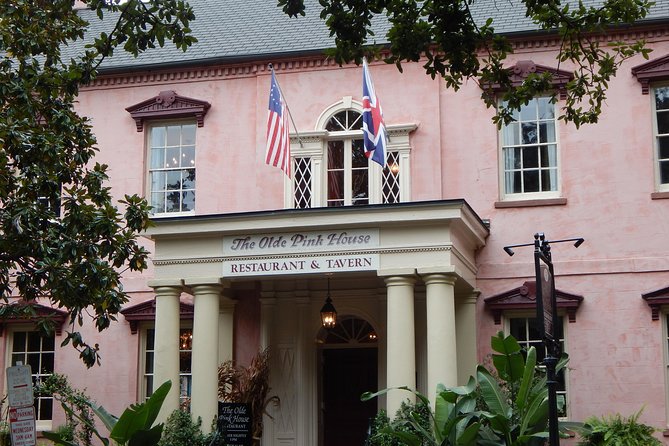
The tour starts at Olde Pink House, 23 Abercorn St, at 10:00 am. This is a convenient launch point because it’s right where you want to be if you’re exploring the Historic District on foot. The end point is Forsyth Park, which is great because it gives you a built-in “where to go next” zone.
You’ll be walking at a moderate level, and you’ll want comfortable shoes. Savannah sidewalks can be uneven in places, and the tour covers enough ground that your feet will appreciate traction and support. If you’re someone who gets tired quickly, plan a lighter second half of the day.
The tour is also in English and uses a mobile ticket. That’s simple tech, but it matters: no paper to track, no last-minute confusion if your phone battery cooperates.
Group size and guide access are part of the pacing story too. With up to 15 people, you’re not just standing at a curb. You can hear the guide, and you can ask follow-up questions while you’re near the actual landmark.
Stop-by-stop: squares, River Street, and the Revolutionary thread
This tour moves through the kind of highlights that help you understand Savannah’s layout. The best part is that each stop feeds the next, like you’re building a map in real time.
Stop 1: Reynolds Square
The tour begins next to the statue of John Wesley. You’ll also hear about the Olde Pink House across the street and why it matters culturally and historically. This is a strong opening because it connects the physical space to the city’s character right away.
Stop 2: Historic River Street
You’ll walk into the story of River Street, from its historical significance to its modern role as a major dining, drinking, and entertainment strip. There’s also a brief discussion of slavery in Savannah here. Even though it’s short, it’s important, because it reminds you this “pretty picture” city had painful foundations too.
Stop 3: Johnson Square
This stop shifts to conflict and memory, with talk about Savannah during the American Revolution and the Civil Wars. The square setting makes the lesson feel grounded. You’re not just hearing dates—you’re seeing where people would have gathered, moved, and lived.
Stop 4: Wright Square
Wright Square is where culture takes center stage. The tour uses it to broaden the story of Savannah beyond political history, so you get a fuller sense of daily life and civic identity.
Stop 5: Chippewa Square
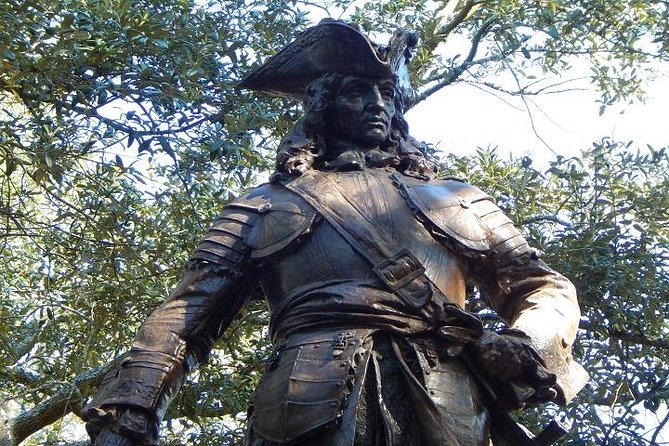
At the statue of James Edward Oglethorpe, Savannah’s origins come into focus. Oglethorpe is a key name for understanding why the city’s layout looks the way it does, so this is a helpful anchor point.
The overall win here is momentum. By the time you reach the later religious and home stops, you’ll have context for what you’re seeing and why it fits.
Cathedral of St. John the Baptist: when you can step inside
Next comes the Cathedral of St. John the Baptist. The guide explains the church’s history, and if it’s open, you may get a chance to step inside for a quick look.
This is one of those “small detail, big payoff” moments. Even a short interior peek can change your impression of a place, because churches often tell a story through layout, light, and design choices. If the cathedral isn’t open, you’ll still get value from the exterior context and the historical framing.
If you care about religious architecture specifically, keep your expectations realistic: the tour duration is limited, and the stop is about getting you oriented and informed, not turning into a long museum-style visit. But it still offers a meaningful change of pace from squares and street scenes.
There is more Savannah history to walk through with our other tours





Historic homes and institutions you’ll recognize later
One of the best reasons to do a walking tour like this is pattern recognition. After seeing the city’s major streets and squares, you’re ready to appreciate the historic homes and institutions without needing to memorize everything in advance.
Stop: Hamilton-Turner House
You’ll get a brief introduction to the Hamilton-Turner House, a beautiful bed and breakfast inn. It’s a quick stop, but the aim is to connect the building to the broader human story of Savannah, not just the exterior charm.
Stop: Andrew Low House
Next is the Andrew Low House, tied to Juliette Gordon Lowe, founder of the Girl Scouts of America. This is a nice moment because it brings a modern American thread into an old neighborhood. You’re reminded that history isn’t only war and government.
Stop: Mercer Williams House Museum + Temple of the Congregation Mickve Israel
There’s a look at both the Mercer Williams House Museum and the Temple of the Congregation Mickve Israel. This pairing matters. You’re seeing different strands of community life—museum storytelling on one side and a major religious institution on the other.
Stop: Armstrong House
The final named home stop is the Armstrong House, with a brief talk about this historic mansion in downtown Savannah.
The takeaway: you’ll see enough historic residences and civic institutions to understand how Savannah’s elite, organizations, and everyday life intersected. You also won’t be stuck in one theme. The mix helps you feel like you’ve sampled the city’s range.
Forsyth Park wrap-up: what to do after the tour
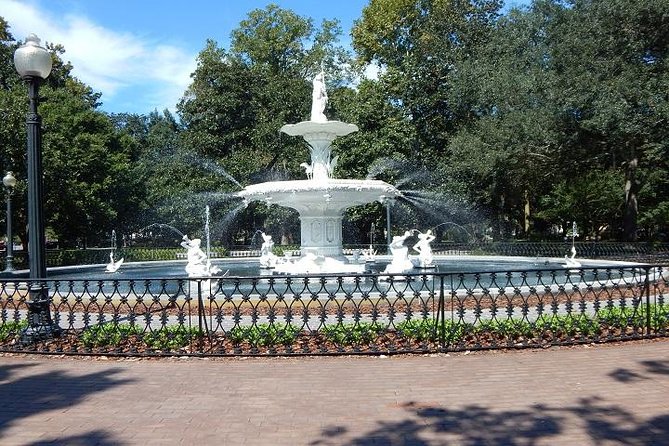
The tour ends at Forsyth Park. That’s a smart ending. Parks give your legs a reset, and they’re also a natural springboard for continuing your day without needing extra directions.
By now, you’ll likely be able to do two things that make independent exploration easier:
1) recognize squares and streets you’ve already learned in context
2) decide what to revisit based on what grabbed you
If you want to keep the day moving, Forsyth Park is an easy place to linger while you plan. And if you’d rather branch out, you’ll have a clearer idea of which direction to walk next.
Guides and the two most common impressions
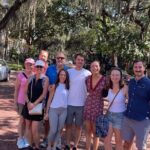
The strongest praise on this tour centers on being a solid overview and actually staying informative while walking. People also like the small group setup because it makes Q&A realistic rather than awkward.
There’s also a quality angle tied to the guide. In one example, the tour featured Jim Gresham and the experience was described as informative and personalized—useful when you’re traveling with just a few people or want more interaction than a big-group tour offers. The company is run by Martin Sinderman, who has responded publicly to a critique about what the tour covers and how it balances history with extra suggestions.
Now the balanced part: one disappointment was that the tour felt too focused on food and places to eat instead of history at every stop. The guide’s approach includes info about area attractions and dining and shopping recommendations, so you should expect some practical add-ons. If you want maximum history per minute, I’d go in with that mindset and be ready to ask direct questions if you want deeper details at a specific square or building.
Another critique was about architecture focus not matching expectations. If you’re a building-nerd, you’ll probably enjoy the city stories, but you might want to pair this with a more architecture-centered tour afterward—or at least ask your guide to point out design features more directly.
Should you book? My straight answer
Book this if you want an easy, structured way to understand the Historic District in one morning or afternoon block. For $35, the combination of a licensed guide, a small group up to 15, and a loop that hits major squares, River Street, landmark homes, and ends at Forsyth Park is a strong value—especially if it’s your first visit.
Skip it or think twice if you’re coming for one narrow goal, like architecture analysis only. This isn’t positioned as a purely architectural deep study. It’s a bigger-picture walk: city layout, historical context, cultural notes, and a few practical recommendations.
If your goal is to get your bearings fast and leave with names, places, and story threads you can build on while you roam, this tour is a smart place to start.
FAQ
How much does the Walking Tour of Savannah’s Historic District cost?
It costs $35.00 per person.
How long is the tour?
The tour lasts about 2 hours 15 minutes.
Where do I meet the tour, and where does it end?
You meet at the Olde Pink House, 23 Abercorn St, Savannah, GA 31401. The tour ends in Forsyth Park in Savannah, GA 31401.
What time does the tour start?
The start time is 10:00 am.
Is the tour offered in English?
Yes, it’s offered in English.
How big is the group?
The maximum group size is 15 people per tour.
Do I get a mobile ticket?
Yes, the tour uses a mobile ticket.
Is hotel pickup or drop-off included?
No, hotel pickup and drop-off are not included.
Is free cancellation available?
Yes. You can cancel up to 24 hours in advance for a full refund.
What walking level should I expect?
A moderate amount of walking is involved, so comfortable walking shoes are recommended and you should have a moderate physical fitness level.
More Tours in Savannah



More Tour Reviews in Savannah

More Savannah Squares and Historic Walking Tours
Not quite your thing? Here is more to see and do around Savannah











Savannah Squares & Historic Walking Tours, compared.
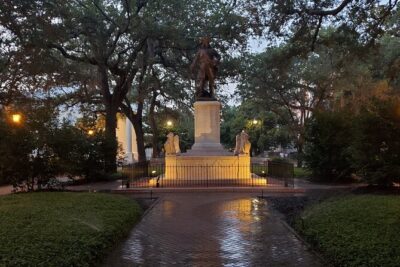 ★ 5.0Savannah History and Haunts Candlelit Ghost Walking TourFrom $393,235 reviews
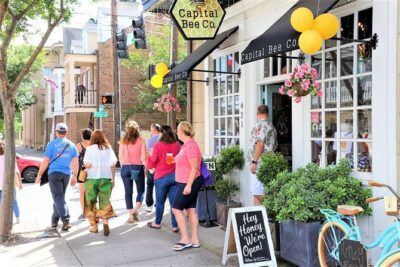 ★ 5.0Savannah First Squares Culinary & Cultural Walking Food TourFrom $963,229 reviews
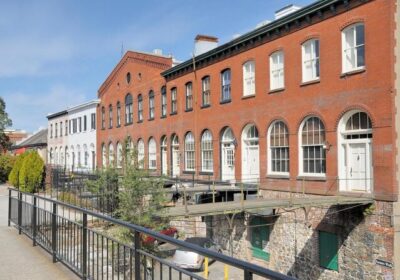 ★ 5.0Historic Savannah Guided Walking TourFrom $302,918 reviews
 ★ 4.5Savannah’s Ghost City “Dead of Night” Walking Night TourFrom $342,482 reviews
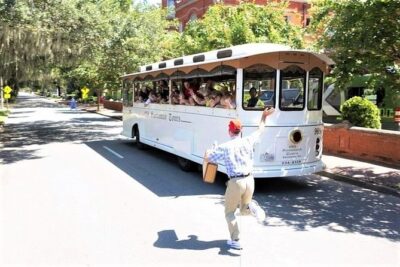 ★ 4.5Narrated Historic Savannah Sightseeing Trolley TourFrom $352,375 reviews
 ★ 4.5Southern Flavors Food, Pub Crawl, and History Walking TourFrom $601,623 reviews
 ★ 5.0Genteel and Bard’s Savannah Dark History and Ghost Encounter Walking TourFrom $391,546 reviews
 ★ 5.0Bonaventure Cemetery Walking Tour with TransportationFrom $481,467 reviews
Browse the lists this tour appears in