
Reviewed · SAVANNAH SQUARES & HISTORIC WALKING TOURS
History of Savannah Walking Tour
Savannah’s squares have stories you’ll actually hear. This 90-minute walk through the Historic District is built for personal history, with a relaxed pace and lots of shaded pauses instead of sprinting from corner to corner. I like that you’re not just looking at pretty buildings. You’re learning how Savannah’s historic squares shaped daily life from the city’s 1733 founding onward.
Two things I really like: the tour includes major landmarks that help the big story make sense, and the guide (Sarah) makes it easy to ask questions without feeling rushed. One small consideration: it’s still a walking tour, so if 90 minutes on your feet sounds like too much, plan accordingly.
In This Review
- Key Things That Make This Savannah Tour Worth Your Time
- Why Savannah’s Squares Are the Best Classroom
- Getting Oriented at Chippewa Square with Guide Sarah
- Wright Square and the Yamacraw Connection
- Oglethorpe Square: Founding Ideas You Still Feel
- Juliette Gordon Low Birthplace: Savannah’s Link to the Girl Scouts
- Owens-Thomas House and Slave Quarters: The City’s Harsh Economics
- Colonial Park Cemetery: Life, Death, and Victorian Savannah
- Cathedral of St. John the Baptist: Irish Immigrant Influence
- Green-Meldrim House: Savannah’s Strategic Role in the Civil War
- Jones Street: Why People Call It the Most Beautiful Street
- Monterey Square and the Pulaski Connection
- Mercer-Williams House Museum: Final Big Landmark Before Forsyth Park
- Forsyth Park Finish at the Iconic Fountain
- Price and Value: Why $35 for 90 Minutes Feels Fair
- Who This Tour Fits Best (and Who Should Skip It)
- A Few Smart Ways to Get More Out of the Walk
- Should You Book the History of Savannah Walking Tour?
- FAQ
- Where does the tour start?
- How long is the Savannah history walking tour?
- How much does the tour cost?
- Is the tour a small-group experience?
- Who is the guide?
- What language is the tour offered in?
- Is entry to museums included?
- Where does the tour finish?
- Can I cancel for a refund?
- Can I reserve without paying now?
Key Things That Make This Savannah Tour Worth Your Time
- Meet Sarah in Chippewa Square and start with the Georgia founding story in the heart of it all
- Square-to-square pacing that keeps you comfortable, with shaded stops built into the route
- Big themes, not just sights: slavery, immigration, the Civil War, and later civic life
- High-impact stops without museum tickets included, so you get stories plus context for what to see next
- Plenty of Q-and-A space thanks to an intentionally limited group size
Why Savannah’s Squares Are the Best Classroom
Savannah can feel like a postcard until you learn how the city was planned. This tour leans into that idea. You walk through the Historic District and use the squares as your timeline. That matters, because Savannah’s public spaces weren’t random decorations. They helped organize community life, power, and identity—so when you stand in the square, the story has a physical place to land.
I like this approach because it keeps the history grounded. Instead of hearing disconnected dates, you connect people and events to the spaces they would have used. The pace is relaxed too. The tour doesn’t act like your time is a race. It gives you comfortable breaks under shade, so you can absorb what’s being said.
And yes, you’ll enjoy the sights. But the goal here isn’t to check boxes. It’s to understand why certain streets and buildings became famous and how Savannah’s different eras left fingerprints on the city layout you’re walking through.
We have more walks through Savannah's historic squares and old district to wander



Getting Oriented at Chippewa Square with Guide Sarah
You meet Sarah in Chippewa Square, right in the center area in front of the big statue, wearing a Tour Guide lanyard. It’s a smart meeting point because you’re starting where the city’s story feels immediate. Sarah’s role isn’t just narration. She sets you up to notice what you’ll see later.
From the start, she ties the square to James Oglethorpe and the founding of Georgia’s first city. That’s a strong way to begin, because Oglethorpe’s founding work becomes your anchor for everything else. You’ll hear how the early city plan set patterns that lasted long after the first buildings went up.
If you’re the kind of traveler who likes to ask questions, you’ll probably feel comfortable here. The tour is structured for small-group discussion, not for a one-way lecture.
Wright Square and the Yamacraw Connection
Wright Square is where the conversation expands beyond the founder and into the people who shaped early Savannah’s success. The focus here is Tomochichi and the essential role of the Yamacraw people in the colony’s early story.
This stop works because it complicates the usual simplified founding narrative. You get a clearer sense that Savannah’s early survival and growth weren’t only a European project. Local relationships and leadership mattered. Hearing it in a square—an actual civic space—helps the lesson feel less abstract.
I also appreciate that the tour doesn’t skip ahead too quickly. It builds from founding to community to the forces that came later. By the time you move on, you’re not starting over each time you turn a corner.
Oglethorpe Square: Founding Ideas You Still Feel
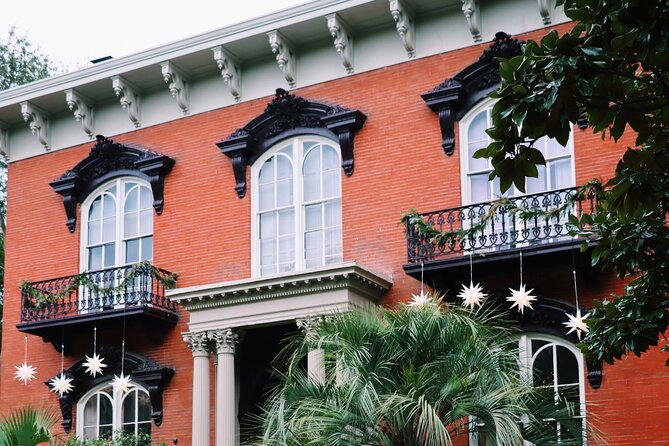
After Wright Square, the tour continues through Oglethorpe Square, keeping your attention on the structures and decisions that shaped the city. Even if you’ve read a bit about Savannah before, this kind of guided framing helps you notice how the city’s layout supports its identity.
Think of it as perspective. The guide connects civic design to stories about who lived where, what public spaces were for, and why the city’s look didn’t happen by accident. That makes the later stops easier to understand, especially when the narrative shifts into older social realities and later conflicts.
Juliette Gordon Low Birthplace: Savannah’s Link to the Girl Scouts
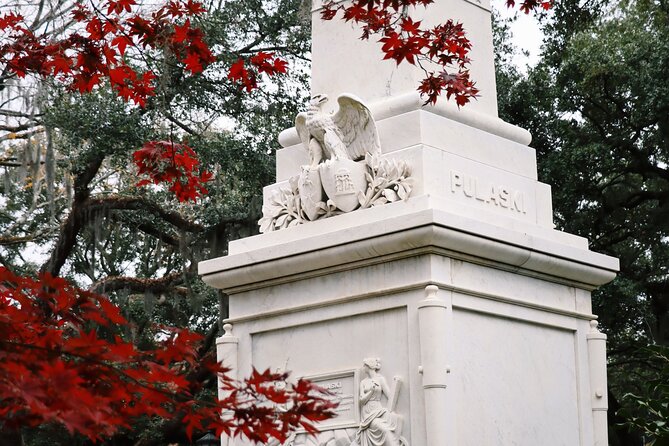
One of the more satisfying surprises on this route is how it connects Savannah to later American life. You’ll learn about the Juliette Gordon Low Birthplace and how Savannah became the birthplace of the Girl Scouts.
This stop is valuable because it shows how the city’s story doesn’t stop with the founding era or the Civil War. Savannah continues to generate influence well after major historic turning points. If you want a tour that gives you history plus something human and hopeful, this is one of those moments.
It also helps you balance the heavier subjects that come next. You’ll be walking through squares where civic life took shape, and then you’ll hear about how the city connects to youth leadership and community service.
There is more Savannah history to walk through with our other tours





Owens-Thomas House and Slave Quarters: The City’s Harsh Economics
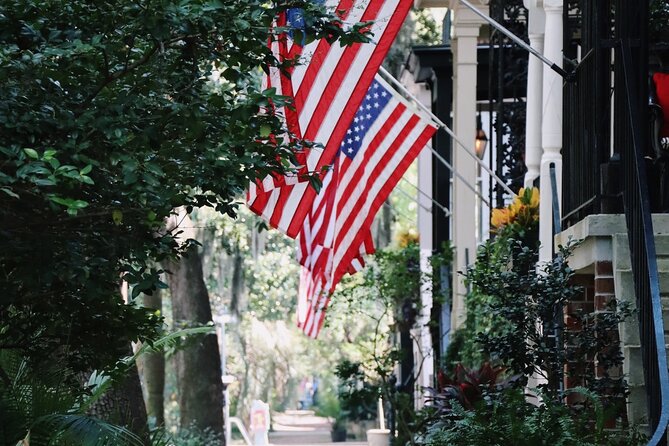
Then the tour gets more serious. At the Owens-Thomas House & Slave Quarters, you learn how slavery shaped Savannah’s economy and daily life in the antebellum era.
This is the kind of stop where a knowledgeable guide matters. You’re not just seeing a historic property. You’re hearing how the wealth and power tied to slavery worked in everyday terms, including what life looked like for enslaved people and how that system ran on the city’s economy.
A key thing here: the tour keeps the discussion grounded in cause-and-effect. You come away with a better understanding of why Savannah developed the way it did, and why certain historic buildings carry complicated meaning. If your goal is to understand the whole city—not only the pretty parts—this is one of the tour’s most important segments.
Colonial Park Cemetery: Life, Death, and Victorian Savannah
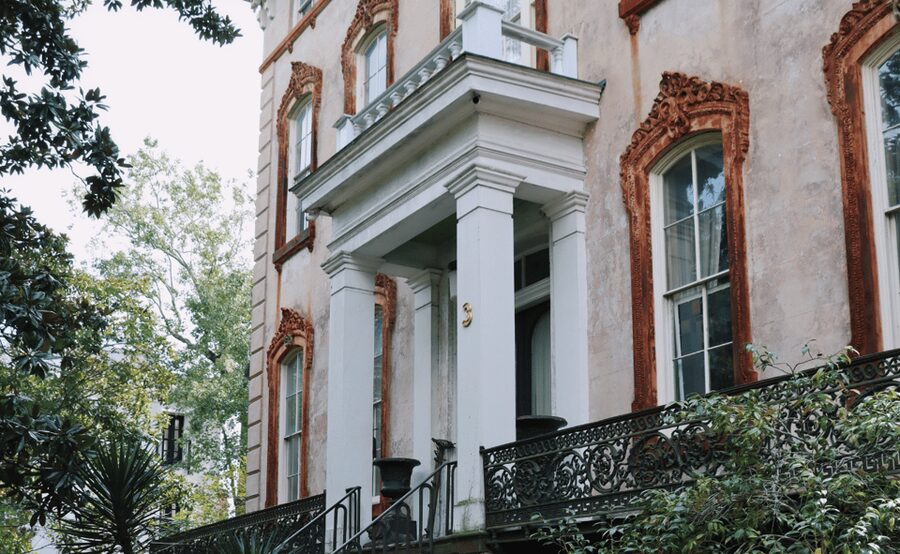
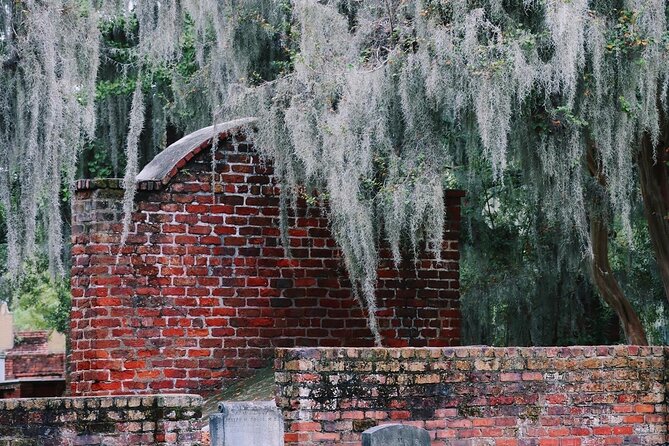
From the homes and quarters, you move to the Colonial Park Cemetery, where the tour shares stories about life and death in historic Savannah, including the city’s Victorian past.
Cemeteries can feel like “quiet stops” on tours, but this one is positioned to give you context. The emphasis isn’t only on who’s buried where—it’s on how Savannah’s people remembered, marked time, and expressed identity through burial customs.
I like that the tour uses the cemetery to broaden the timeline. You leave the antebellum story and see how different eras shaped community values after major upheavals.
Cathedral of St. John the Baptist: Irish Immigrant Influence
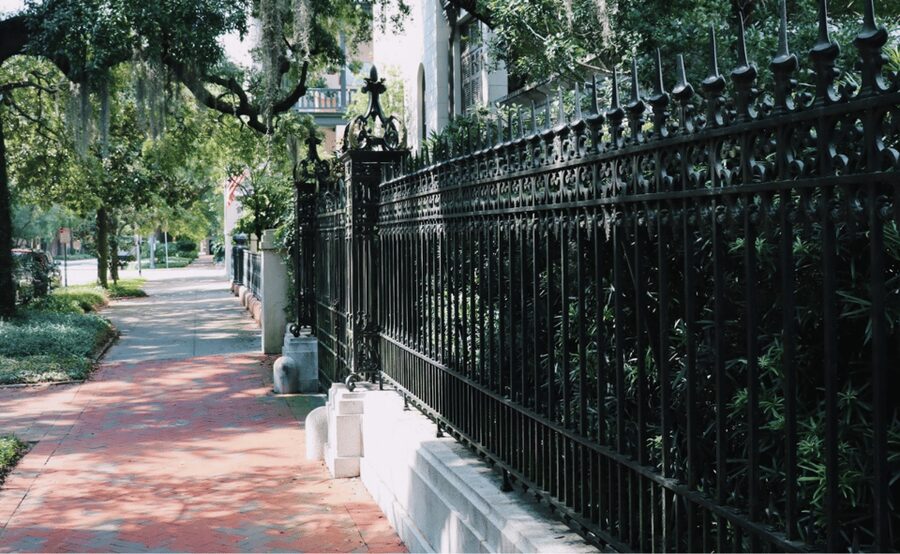
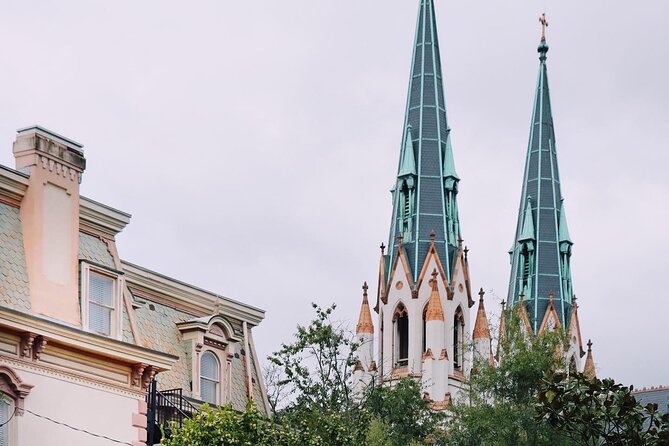
Next up is the Cathedral of St. John the Baptist, where you’ll understand the influence of Savannah’s Irish immigrant community.
This stop helps connect Savannah’s historic growth to immigration and community formation. You’re not only hearing about big political events. You’re learning about how immigrant communities shaped places of gathering, worship, and civic identity.
And since this is still part of a walk through major sites, it fits cleanly into the tour’s rhythm. You go from cemetery reflection to a living landmark connected to a specific community story.
Green-Meldrim House: Savannah’s Strategic Role in the Civil War
The tour then reaches the Green-Meldrim House, with stories of how Savannah played a strategic role during the Civil War.
This segment is especially useful if you’ve ever visited Savannah and wondered why the city gets mentioned so often in Civil War context. The guide helps you connect strategy to the physical reality of the place, so it doesn’t feel like a history lecture floating above the street.
Also, the pacing stays comfortable. You’re building an understanding step by step while still keeping your energy.
Jones Street: Why People Call It the Most Beautiful Street
After the house and war story, you’ll stroll along Jones Street, a place many call the most beautiful street in America.
Here’s the trick: the tour doesn’t treat this as just an aesthetic stop. It uses the walk to reinforce what you’ve learned—how the city’s planning and eras shaped what you see now.
If you’re the type who likes to photograph, this is a good moment for it. But even if you skip the camera, the storytelling helps you read the street as a historical space, not only a pretty one.
Monterey Square and the Pulaski Connection
The tour also touches Monterey Square, where you’ll learn about General Pulaski and how he fits into the city’s broader historic narrative. This stop adds another layer to the Revolutionary-era thread that runs alongside the later Civil War and antebellum stories.
This is where the tour feels like it’s tightening the whole “Savannah timeline knot.” You’re not just collecting facts. You’re noticing patterns in who influenced events and how those influences show up in recognizable public spaces.
Mercer-Williams House Museum: Final Big Landmark Before Forsyth Park
You then reach the Mercer-Williams House Museum for a guided stop. While museum entry isn’t included, the tour still helps you understand why this site matters in the Savannah story.
This is a good moment to listen for what the guide highlights, because it can point you toward what to look for later if you decide to visit the museum on your own time. Think of it as a preview with context, not a replacement for full ticketed entry.
Forsyth Park Finish at the Iconic Fountain
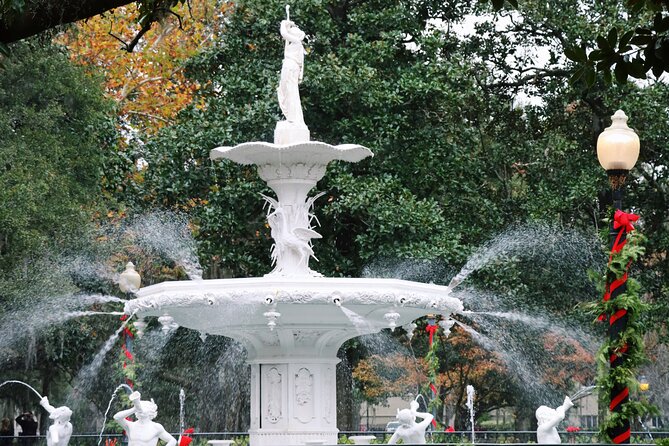
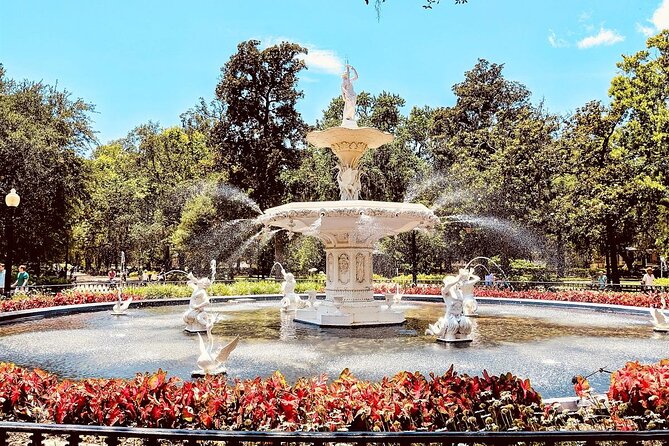
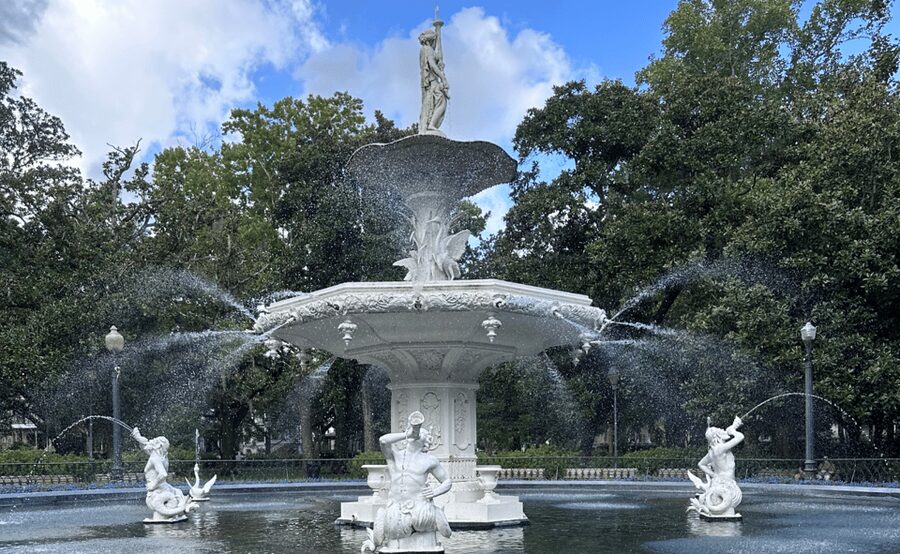
The walk ends at Forsyth Park, concluding at the park’s iconic fountain. This finale works well because it gives you a change in mood. You leave with history in your head, but you finish in a place that feels like open air and real-world Savannah life.
It’s also a practical landing spot. If you’re planning the rest of your day, you’re ending near an easy-to-navigate anchor.
Price and Value: Why $35 for 90 Minutes Feels Fair
At $35 per person for 90 minutes, the value mainly comes from two things you can feel immediately: you’re paying for guided interpretation, and you’re getting small-group attention.
This isn’t one of those tours where you whisper “cool” while the guide speeds past the interesting stuff. The pace is relaxed, the stops are frequent, and the guide makes room for questions. That’s what you’re really buying: time with someone who knows how to connect places to stories.
Also, since museum entry isn’t included, you’re not paying for add-ons you might not want. If you already plan to visit specific museums later, this tour still earns its keep by giving you context first. If you don’t plan museum visits at all, you still get major landmarks, squares, and cemetery storytelling without needing extra tickets.
Who This Tour Fits Best (and Who Should Skip It)
This tour is a great fit if you want:
- a small-group format where you can ask questions
- a guided overview that ties squares and landmarks into a coherent timeline
- a mix of major themes, including founding, immigration, and the harsher realities of slavery
It may be less ideal if:
- you strongly prefer sitting most of the time (it is a walking tour for 90 minutes)
- you’re only looking for museum ticket access (entry isn’t included)
A Few Smart Ways to Get More Out of the Walk
Because the tour is story-driven, your best move is to arrive ready to listen with your eyes up as well as on the guide. Squares and landmark fronts are part of the lesson, and the guide’s examples help you “see” what matters.
Wear comfortable walking shoes. The route is designed for a relaxed pace, including shaded stops, but you’re still moving through the Historic District for about an hour and a half.
Also, if you have follow-up questions—about any character, era, or building—Sarah’s approach makes it feel normal to ask. If you like to learn by conversation, this is one of the tours that supports it.
Should You Book the History of Savannah Walking Tour?
If you’re visiting Savannah for the first time and you want a fast way to make the city click, I’d book this. The small-group setup, the shaded pacing, and the focus on key landmarks and squares give you real understanding, not just sightseeing.
Especially if you want both the inspiring and the complicated parts—founding stories, Girl Scouts origins, immigration influence, slavery’s impact, and the Civil War—this tour is built for that mix. You’ll finish the walk at Forsyth Park with a better sense of what you’re seeing as you wander on your own afterward.
FAQ
Where does the tour start?
The tour meets in Chippewa Square at the center in front of the big statue, and the guide is wearing a Tour Guide lanyard.
How long is the Savannah history walking tour?
The tour lasts 90 minutes.
How much does the tour cost?
It costs $35 per person.
Is the tour a small-group experience?
Yes. The tour is designed as a small-group walking tour with intentionally limited group sizes.
Who is the guide?
The meeting information names Sarah as the guide at Chippewa Square.
What language is the tour offered in?
The tour is offered in English.
Is entry to museums included?
No. Museum entry is not included in the tour.
Where does the tour finish?
The tour finishes at Forsyth Park, at the iconic fountain.
Can I cancel for a refund?
Yes. Free cancellation is available up to 24 hours in advance for a full refund.
Can I reserve without paying now?
Yes. The tour offers a reserve now & pay later option, letting you keep plans flexible.
More Tours in Savannah



More Tour Reviews in Savannah

More Savannah Squares and Historic Walking Tours
Not quite your thing? Here is more to see and do around Savannah











Savannah Squares & Historic Walking Tours, compared.
 ★ 5.0Savannah History and Haunts Candlelit Ghost Walking TourFrom $393,235 reviews
 ★ 5.0Savannah First Squares Culinary & Cultural Walking Food TourFrom $963,229 reviews
 ★ 5.0Historic Savannah Guided Walking TourFrom $302,918 reviews
 ★ 4.5Savannah’s Ghost City “Dead of Night” Walking Night TourFrom $342,482 reviews
 ★ 4.5Narrated Historic Savannah Sightseeing Trolley TourFrom $352,375 reviews
 ★ 4.5Southern Flavors Food, Pub Crawl, and History Walking TourFrom $601,623 reviews
 ★ 5.0Genteel and Bard’s Savannah Dark History and Ghost Encounter Walking TourFrom $391,546 reviews
 ★ 5.0Bonaventure Cemetery Walking Tour with TransportationFrom $481,467 reviews
Browse the lists this tour appears in